The Things That Live Outside: A Guide to Outdoor Appliance Safety
 Elizabeth KiselevJune 3, 20264 min read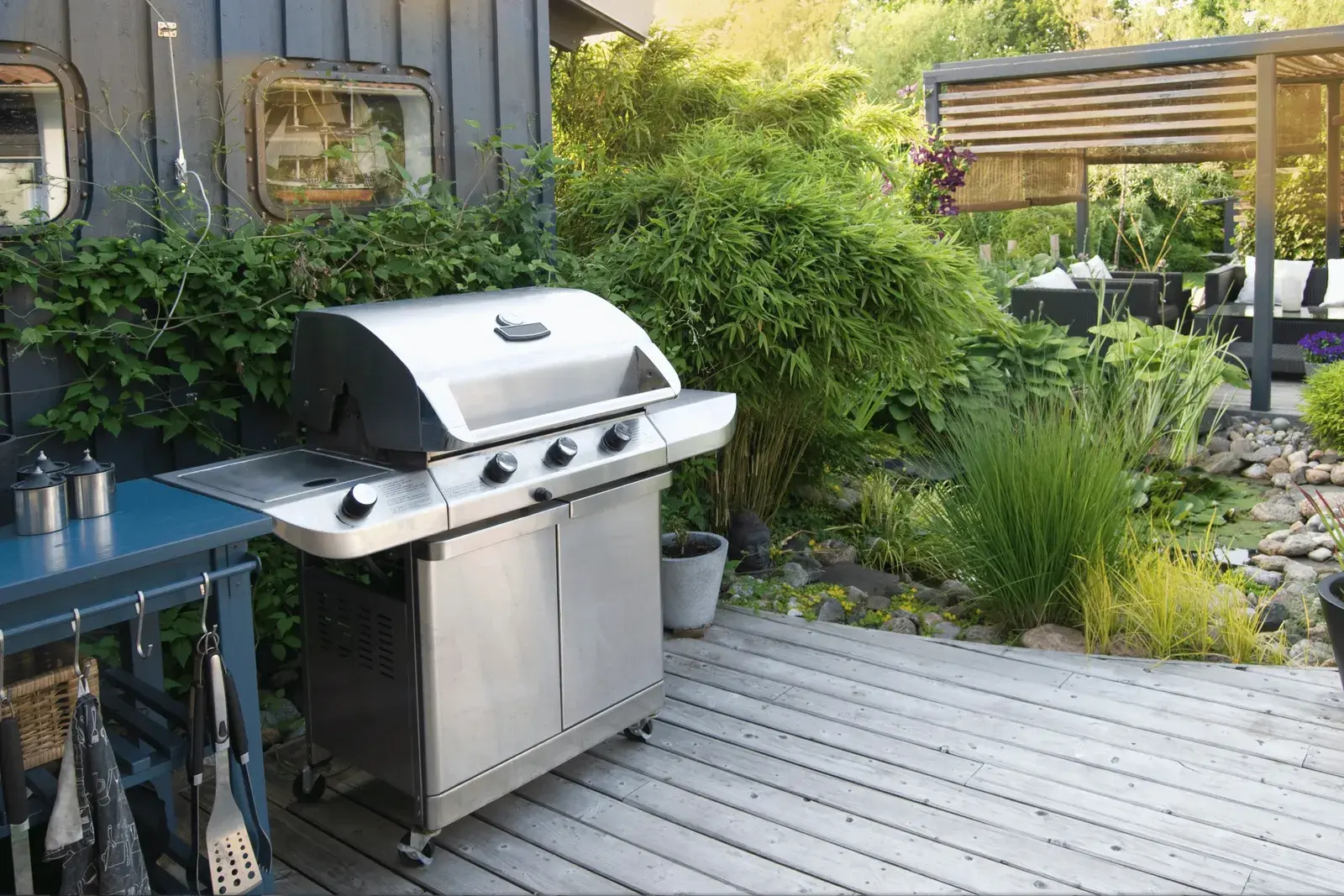
Outdoor appliances stay safe with a few simple habits: check fuel connections before each season, keep exhaust and gas away from enclosed spaces, use outdoor-rated electrical components with ground fault protection, run generators at least 20 feet from the house, and store everything according to the manufacturer's manual. The sections below cover the most common outdoor appliances, the specific risks each one carries, and how to keep the records that make ownership easier.
The appliances that make a backyard feel like a second living room, the grill, the patio heater, the pizza oven, the outdoor fridge, the pool pump, the generator in the garage, tend to be the ones we think about least. They sit outside through heat, rain, and cold, get used hard for a few months, then wait out the off-season under a cover or in a shed. A little attention goes a long way, because these appliances face conditions indoor ones never do: moisture, temperature swings, sun, and debris, plus fuel like propane and gasoline that a dishwasher never has to manage. None of that is cause for worry. It just means a few basics matter more.
The short version
If you read nothing else, these are the habits that prevent the problems:
- Test gas connections for leaks at the start of each season, before the first use.
- Keep gas appliances and generators away from enclosed spaces. Carbon monoxide is the real danger, and you cannot see or smell it.
- Run portable generators at least 20 feet from the house, exhaust facing away.
- Store propane tanks upright, outdoors, never in a garage or basement.
- Use outdoor-rated, GFCI-protected outlets for anything electric.
- Clean and shelter appliances before the off-season, and read the manual for each one.
The rest of this guide explains the why behind each, appliance by appliance.
How do you safely use a gas or propane grill or heater?
Check the connections for leaks before each season, give the appliance room away from anything that can catch fire, never use it in an enclosed space, and shut off the fuel at the source when you are done. Gas grills, patio heaters, fire pits, and outdoor kitchens share these fundamentals.
To check for leaks, use the soapy water test recommended by most manufacturers and by the U.S. Consumer Product Safety Commission. Brush a mix of dish soap and water over the hose and regulator connections with the gas turned on but the appliance unlit. Bubbles mean gas is escaping and the connection needs attention before use. Hoses and regulators can crack or loosen over a winter outdoors, so this is worth doing at the start of each grilling season.
Keep the appliance clear of the house and anything flammable, and never use a gas appliance indoors, in a garage, or under a low overhang. Gas appliances produce carbon monoxide, which is why open-air ventilation is essential. The classic mistake is rolling the grill just inside the garage to escape rain. Even with the door up, that is exactly the enclosed-space situation to avoid.
Can you store a propane tank in the garage?
No. Propane tanks should be stored upright and outdoors, in a shaded, ventilated spot away from the house, never inside a home, garage, or any enclosed space, even in the off-season. This is the standard guidance from propane suppliers and fire safety organizations, because a leak in an enclosed space allows gas to collect.
When you finish using a gas appliance, turn off the fuel at the source by closing the valve on the tank or gas line, not just the control on the appliance. This prevents slow leaks while it sits unused.
Do outdoor outlets need GFCI protection?
Yes. The National Electrical Code requires ground fault circuit interrupter protection for outdoor outlets at homes, and many local codes adopt the same standard. A GFCI is the kind of outlet or breaker with test and reset buttons, and it cuts power the instant it senses current flowing where it should not, which is the protection you want anywhere water and electricity share space. Outdoor receptacles are also meant to be weather-resistant, marked "WR" on the face.
Outdoor refrigerators, electric heaters, string lighting, and pool or pond equipment all bring electricity into a wet environment. Beyond GFCI protection, use cords and fixtures rated for outdoor use, since indoor extension cords are not built for moisture or sun and degrade quickly outside. Keep cords and power strips elevated and out of standing water, and unplug what you can during heavy weather. If your outdoor outlets are older and lack the test and reset buttons, that is a worthwhile conversation to have with a licensed electrician.
Is it safe to run a generator in the garage?
No. The Consumer Product Safety Commission advises running a portable generator outside only, at least 20 feet from the house, with the exhaust pointed away from windows, doors, and vents. Never run one inside a home, garage, basement, or shed, and an open door or window is not enough to make an enclosed space safe. Generators produce carbon monoxide, a gas you cannot see or smell, and a single portable generator can produce as much of it as hundreds of cars.
Let the engine cool before refueling, because fuel spilled on a hot engine can ignite. And keep working carbon monoxide alarms inside the home, on every level and outside sleeping areas, as the companion safeguard that protects you from the risk your senses cannot catch.
How should you store outdoor appliances for the off-season?
Clean each appliance before storage, shelter it from the elements, and follow the manual's guidance on fuel, which varies by appliance and engine type. Grease, food residue, and debris should not sit on surfaces for months, so a thorough clean comes first. Cover or shelter the appliance where you can. Some engines should have their fuel drained for storage, others stabilized, others left full, so the manual is the deciding source.
Coming out of storage, give everything a look before the first use of the season. Connections, cords, surfaces, and moving parts can all change over a few idle months.
Keeping the records that make this easier
A quiet truth about appliance safety is that much of it depends on information you had at some point and then lost. The manual that explains how to store the generator. The model number you need to check whether a recall applies. The purchase date that tells you where a product sits in its expected lifespan. The receipt that turns a warranty claim from a hassle into a quick task.
This is the part HouseFacts is built to make easier. When you forward a receipt, a confirmation email, or a photo of a manual, HouseFacts reads it and files it for you, so the documents for your grill, generator, and everything else end up organized in one place instead of scattered across drawers and inboxes. When a recall notice arrives or a warranty question comes up, the record is already there.
Outdoor appliance safety is mostly a set of small, steady habits. Check the connections, keep fuel and exhaust where they belong, store things properly, and keep the paperwork close. None of it takes much. Together, it is the difference between a yard that feels effortless and one that catches you off guard.
Frequently asked questions
Can you store a propane tank indoors or in a garage?
No. Propane tanks should be stored upright and outdoors in a shaded, ventilated area away from the home, never inside a house, garage, or enclosed space, even during the off-season.
Is it safe to run a generator in a garage with the door open?
No. A portable generator should run outside only, at least 20 feet from the house and away from windows, doors, and vents. An open garage door does not provide enough ventilation to prevent dangerous carbon monoxide buildup.
How do you check a gas grill for leaks?
Brush a mix of dish soap and water over the hose and regulator connections with the gas on but the grill unlit. Bubbles indicate a gas leak, which means the connection needs attention before you use the grill.
Do outdoor electrical outlets need GFCI protection?
Yes. The National Electrical Code requires ground fault circuit interrupter protection for outdoor outlets at homes, and many local codes follow it. A GFCI cuts power instantly when it detects a fault, which matters most wherever electricity is near water.
What should you do with outdoor appliances in winter?
Clean them, shelter them from the elements, and follow the manufacturer's manual on whether to drain, stabilize, or keep fuel in the engine. Inspect connections and cords again before the first use of the next season.
Always follow the manufacturer's instructions for your specific appliances, and consult a licensed professional for gas, electrical, or installation questions. Building codes vary by location.
Keep reading
 appliancesmaintenance
Your Water Heater Might Fail. Whether Insurance Pays for the Damage Comes Down to a Few Words in Your Policy.
Does homeowners insurance cover water heater leaks? Usually yes if the failure is sudden, no if it's gradual. Here's how to protect your claim before it happens.
 maintenance
Repair or Replace? The Appliance Age Guide Every Homeowner Needs Before Calling a Technician
Before you spend $400 on a repair call, spend two minutes with this guide. Knowing your appliance's age, and the Rule of 50%, could save you thousands.
 maintenance
HVAC Maintenance Checklist: What to Log at Every Service Visit
An HVAC maintenance checklist built for record-keeping: the date, tech, parts, and cost to log at every visit so it holds up for a warranty or insurance claim.