Resources
Plain answers to the questions your home raises, and a place to keep what's worth tracking.
Articles
 appliancesmaintenance
Your Water Heater Might Fail. Whether Insurance Pays for the Damage Comes Down to a Few Words in Your Policy.
Does homeowners insurance cover water heater leaks? Usually yes if the failure is sudden, no if it's gradual. Here's how to protect your claim before it happens.
 maintenance
What Homebuyers Notice in Your Yard (Before They Even Walk Inside)
Selling your home? Buyers judge your yard in seconds, and it can cost you thousands. Here's what they notice and the low-cost fixes that can protect your price.
 appliancesseasonal
The Things That Live Outside: A Guide to Outdoor Appliance Safety
Keep your grill, generator, and outdoor appliances safe year-round. Practical tips on fuel, electrical safety, and off-season storage for homeowners.
 maintenance
Repair or Replace? The Appliance Age Guide Every Homeowner Needs Before Calling a Technician
Before you spend $400 on a repair call, spend two minutes with this guide. Knowing your appliance's age, and the Rule of 50%, could save you thousands.
 organizationmaintenance
The 10 Numbers Every Homeowner Should Have Saved Before a Crisis Hits
Don't wait for a burst pipe or a midnight lockout to realize you're unprepared. Here are the 10 essential contacts every homeowner needs saved before an emergency strikes, plus a free printable template.
 organizationmaintenance
The Room-by-Room Spring Cleaning Checklist for Homeowners: Protect Your Home's Value
Spring cleaning goes beyond tidying up. Use this room-by-room home maintenance checklist to protect your home's value and catch costly repairs before they happen.
 organizationhousefacts
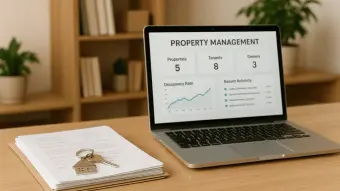
Beyond Checklists: How Premium Property Management Tools Let Your Second Home Thrive, Even When You’re Not There
Second homes come with double the maintenance and double the paperwork. Here’s how the right property management tools keep yours protected while you’re away.
 organization
What Records Should a Homeowner Keep? Every Question Owners Ask
What records should a homeowner keep? Here's what to track, when to call a pro, and why your records pay off long before you ever sell.
 maintenanceorganization
Second Home Document Organization for Absentee Homeowners
A second home doubles your paperwork. See which records double, where they live, and how absentee homeowners keep every property's documents straight.
 financeorganization
Property Tax Records to Keep: A Homeowner's Filing System
The property tax documents worth keeping each year, filed by year, so you have evidence ready to appeal, catch an escrow mistake, or renew an exemption.
 financeorganization
The Practical Side of Inheriting a Home: Step-Up Basis and the Records You Need to Keep
Inheriting a home is also inheriting a tax event. Here's why the documents you keep, or don't, can be worth tens of thousands at sale.
 organization
When It’s Time to Hire a Property Manager (and How to Find the Right One)
Most homeowners who search for a property manager don't actually need one. Here's how to tell, and what to use instead if you don't.
 maintenance
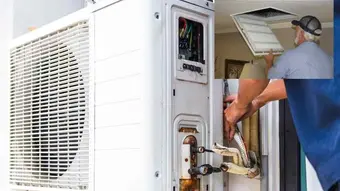
HVAC Maintenance Checklist: What to Log at Every Service Visit
An HVAC maintenance checklist built for record-keeping: the date, tech, parts, and cost to log at every visit so it holds up for a warranty or insurance claim.
 organization
The Documents From Closing Day You'll Wish You Kept (Five Years Later)
What documents should you keep after closing on a house? A homeowner's guide to the 7 records worth holding onto and what it costs when they're gone.
 organizationfinance
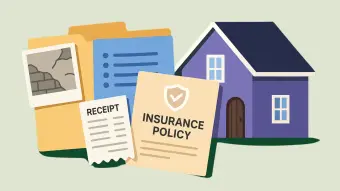
Filing an Insurance Claim? Here’s What to Document First
Avoid the chaos of a homeowners insurance claim. Learn what to document before and after damage to make the process faster, smoother, and less stressful.
 appliancesmaintenance
Is It Cheaper to Leave Your AC On All Day or Turn It Off When You Leave?
Is it cheaper to leave the AC on or turn it off when you leave? Usually it's cheaper to raise the thermostat, not shut it off. Here's why, and the exceptions.
 organization
Shared Home Inventory: How It Works
Centralize appliances, warranties, receipts and maintenance in an AI-assisted shared home inventory: collaborate faster, speed claims, and track upkeep.
 housefactsorganization
Absentee Homeownership 101: What It Means, Risks to Avoid, and How to Manage a Property From Afar
Owning a home you don’t live in full-time comes with hidden risks, but with preventive maintenance, smart reminders, and digital organization tools like HouseFacts, you can manage your property confidently from anywhere.
 organization
Choosing the Right Home Sitter for the Job: The Homeowner’s Hiring Guide
Choosing the right house sitter isn’t about chance. It’s like hiring for a critical role where mistakes can be costly and trust is essential. Here’s how to conduct a “candidate search” that ensures your home is in safe hands while you’re away.
 finance
Understanding Cost Basis Adjustments for Your Home
Discover how to adjust your property's cost basis, track capital improvements, and understand the tax implications for selling primary and secondary homes, including exclusions and deductions to minimize capital gains taxes.
 maintenance
Don’t Let Your Basement Become a Money Pit: The Essential Maintenance Checklist
This blog highlights why basements are often the source of costly home repairs, from flooding and leaks to mold and utility issues, and shows homeowners how to prevent them with a clear, seasonal maintenance checklist.
 maintenanceorganization
What to Document at Your Final Walkthrough (Day One of Your Home's Record)
Your final walkthrough is day one of your home's record. What to photograph, save, and file, from repair receipts to serial numbers, before you get the keys.
 maintenance
Leaving Home? Here’s How to Prevent Water Damage While You’re Away
Coming home after time away should be stress-free, not a nightmare of repairs and insurance claims. By taking proactive steps (turning off water sources, inspecting for early warning signs, protecting against frozen pipes, and maintaining clean gutters), you can minimize the risk of costly water damage.
 maintenance
How to Run a Mid-Year Home Maintenance Audit
A mid-year audit helps you catch wear-and-tear early, before it turns into expensive problems. Use this room-by-room guide to check key areas, log important updates, and keep your home running smoothly.
 organization
HOA Organization Tips: How to Avoid Fines and Stay on Your HOA’s Good Side
HOA rules, dues, and paperwork pile up fast. These HOA organization tips help you keep records straight, avoid HOA fines, and stay on good terms with your board.
 organization
The Digital Home Advantage: How Going Paperless Protects Your Property
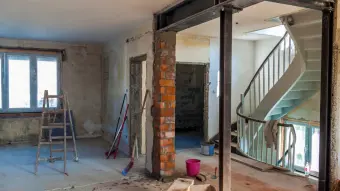
Most homeowners still manage their biggest asset like it’s 1995: stacks of paper warranties in a kitchen drawer, paint swatches taped to a wall, sticky notes with “plumber’s number” fading in the sun. It works until it doesn’t.
 finance
Tracking Home Projects for Cost Basis: What to Save, What to Skip
Exactly which home improvement records to keep for your cost basis, and which to skip. Save the right documentation at tax time so your renovations can lower capital gains when you sell.
 maintenancefinance
What Renovations Actually Boost Resale Value in 2025?
Not all upgrades pay off. Here’s what home improvements are actually boosting resale value in 2025 (and which ones to skip).
 organizationmaintenance
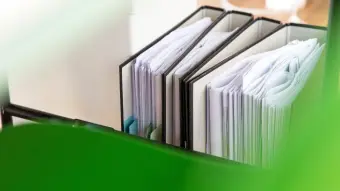
Why Every Homeowner Needs a “Home Binder”: And Why It’s Way More Useful Than You Think
A home binder keeps your home's records in one place: closing papers, warranties, service history, appliances. What goes in it, how to build one, paper vs digital.
 organization
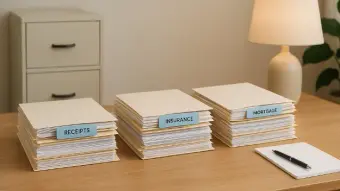
Solve Disorganized Home Records in 5 Steps
Most homeowners who try to organize their records make it to Step 3 and quit. Here's why the project usually fails, and the version that actually works.
 organization
Planning Big Projects: How to Run a Major Home Improvement Without Losing Your Budget
How to plan a major home improvement without blowing your budget. Includes the 15% contingency rule, contractor vetting, and what to document for cost basis.
 organization
The Receipt You Threw Away Could Cost You Thousands
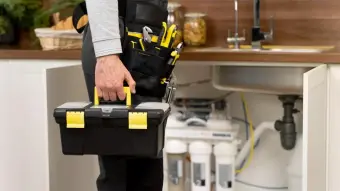
Home improvement receipts are the difference between money you keep and money the IRS taxes again when you sell. Here's exactly what's at stake with your cost basis, your insurance claims, and your buyers, and what to do about it.
 maintenance
The Five-Minute Habit That Separates Homeowners Who Panic From Homeowners Who Don't
Every homeowner eventually faces a moment of panic. A simple five-minute monthly habit is what separates the ones who stay calm from the ones who don't.
 maintenance
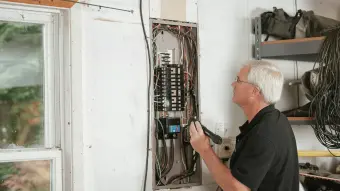
Your Home's Anniversary: A Yearly Maintenance Checklist Worth Celebrating
Your home's anniversary is the most useful maintenance deadline you have. Here's a yearly walkthrough checklist that's actually worth celebrating.
 organization
The Paperwork You Need Before Listing Your House (and Why Most Sellers Start This Too Late)
Most home sellers start gathering paperwork the week before listing. Here's what you actually need, and why starting now can save thousands at closing.
 housefactsorganizationmaintenance
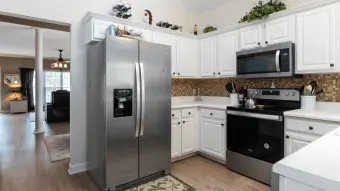
The Appliance Records You Don't Know You'll Need (Until You Sell)
Your appliance serial numbers encode the manufacture date, the key to expected lifespan and recall checks. Here's what they tell you, and why most homeowners lose them.
 maintenance
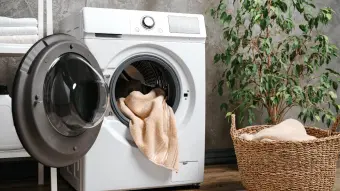
How to Keep an Appliance Service Log (So Small Problems Stay Small)
A dated appliance service log turns a musty washer or a water-heater knock into a quick note, not a surprise repair bill or a denied warranty claim.
 maintenanceseasonal
The Summer Home Maintenance Checklist
A month-by-month summer home maintenance checklist: AC care, gutter cleaning, appliance upkeep, and the early warning signs your home records already hold.
 organizationhousefacts
How to Track Home Improvements Without Burning Out on Spreadsheets
Most home improvement trackers fail within months. Here's how to build a system that actually sticks, and what to document before you need it most.
financeCapital Gains on a Home Sale: How It Works and How to Pay Less
How capital gains tax on a home sale works, the $250,000/$500,000 exclusion that means most sellers owe nothing, and how documented improvements can lower what you owe.
 housefactsorganization
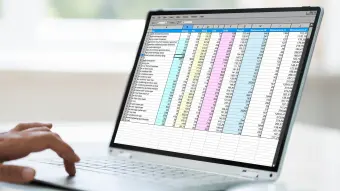
The Spreadsheet Graveyard: Why Your Home Tracker Dies Around Month 4
Most home management spreadsheets die within four months, and not because you got lazy. The six structural reasons they fail, and what actually works instead.
 financeorganizationmaintenance
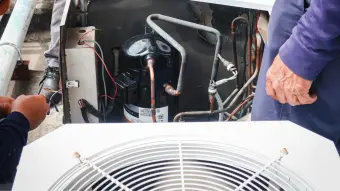
Your HVAC Replacement Built Your Cost Basis. Your Forgotten Receipt Just Destroyed It.
A new HVAC system is one of the largest investments a homeowner makes, and one of the most valuable cost basis adjustments the IRS allows. But only if you can prove you paid for it.
 housefacts
The Best Housewarming Closing Gift You Can Give: Why It Matters
A thoughtful closing gift does more than say "congratulations." Done right, it keeps you in your client's mind long after the ink dries. Here's how to get it right.
 maintenanceorganization
Your Annual Home Waterproofing Checklist: 7 Steps to Catch Water Damage Before It Costs You
Yearly waterproofing checklist to inspect foundation, sump pump, gutters, roof, humidity, and grading to prevent leaks, mold, and costly repairs.
 appliancesmaintenance
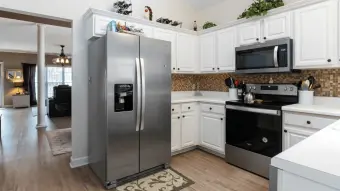
What to Do the Day You Buy a New Appliance (Beyond Plugging It In)
The first 24 hours after a delivery are the easiest time to set up everything you'll need for a warranty claim, a recall notice, or a sale ten years from now. Most homeowners skip them.
 organizationmaintenance
What to Do With Your Home Inspection Report After Closing
Your home inspection report is worth more than one negotiation. How to turn its findings into your home's permanent record for maintenance, claims, and resale.
 finance
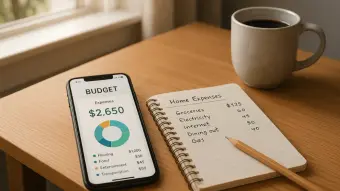
5 Essential Tips for Effective Home Expense Tracking
Most homeowners track expenses like a household. The smarter ones track them like an asset. Here's what the difference actually looks like, and why it pays off.
 organization
Digital Tools vs. Traditional Methods for Home Organization
Digital tools, paper folders, or both? Here's the smarter way to split your home record: what actually belongs in each, and where most homeowners get it wrong.
 financeorganization
Home Insurance vs. Home Warranty Costs
Explore the key differences between home insurance and home warranties to make informed decisions on protecting your home and budget.
 organization
How to Manage Multiple Property Calendars in One Place
One calendar for every property you manage: how to set up a shared calendar that keeps maintenance, service visits, and family helpers in sync across homes.
 maintenanceseasonal
Simple Storm Prep Tips for a Stress-Free Season
Storms move fast. Preparation doesn’t have to be hard. Tick off these items now, and enjoy summer knowing your home, your belongings, and your peace of mind are protected.
 organizationhousefacts
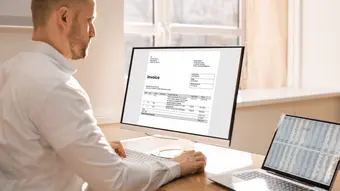
How to Document a Home Renovation (And Why It Matters Later)
Most homeowners finish a renovation and file the invoice somewhere they'll never find it. Here's exactly what to keep, when to collect it, and why it matters more than you think when it's time to sell.
 housefacts
18 Closing Gift Ideas Under $100 That Clients Actually Keep
A realtor's honest roundup of closing gifts under $100: practical, personal, local, and lasting ideas with real prices, plus how the IRS $25 gift rule works.
 appliancesmaintenance
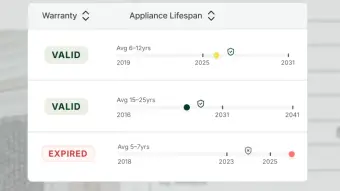
How Long Do Home Appliances Last? A Room-by-Room Lifespan Guide
Expected lifespans for water heaters, furnaces, refrigerators, and more, plus the warning signs of aging and simple rules for the repair-or-replace call.
 seasonalmaintenance
The Complete Home Winterization Checklist
One home winterization checklist for every zone of your property: outdoor appliances, the pool, interior plumbing and HVAC, and vacation or second homes. Specific steps, real costs, and what each hour of prep actually saves you.
appliancessafetyHow to Check Appliance Recalls in About 10 Minutes
An appliance recall check takes 10 minutes and could remove a fire or shock hazard from your home. Here's how recalls work and how to look yours up.
home recordsorganizationForward and Forget: Turn Your Email Into Your Home's Filing System
Your inbox already holds your receipts, warranties, and invoices. Smart Forwarding turns one forwarded email into an organized home record. Here's how.