


.png)
Tracking historical property values helps you make smarter decisions when buying, selling, or managing real estate. By reviewing past trends, you can time major moves like refinancing or selling, set competitive rental prices, and even challenge property tax assessments. Here's how:
- Use Public Records: Local tax assessor offices and county property records provide sale prices, tax assessments, and ownership histories. Many counties offer online access to these records for free or a small fee.
- Rely on National Data Sources: Tools like the FHFA House Price Index and reports from the National Association of REALTORS® reveal broader market trends and price changes over time.
- Leverage Online Platforms: Realtor.com, Zillow, and HouseFacts simplify tracking with features like price history, automated valuation models, and centralized record management.
- Organize Your Records: Create a digital filing system for deeds, tax assessments, renovation receipts, and maintenance logs to keep all property-related documents in one place.
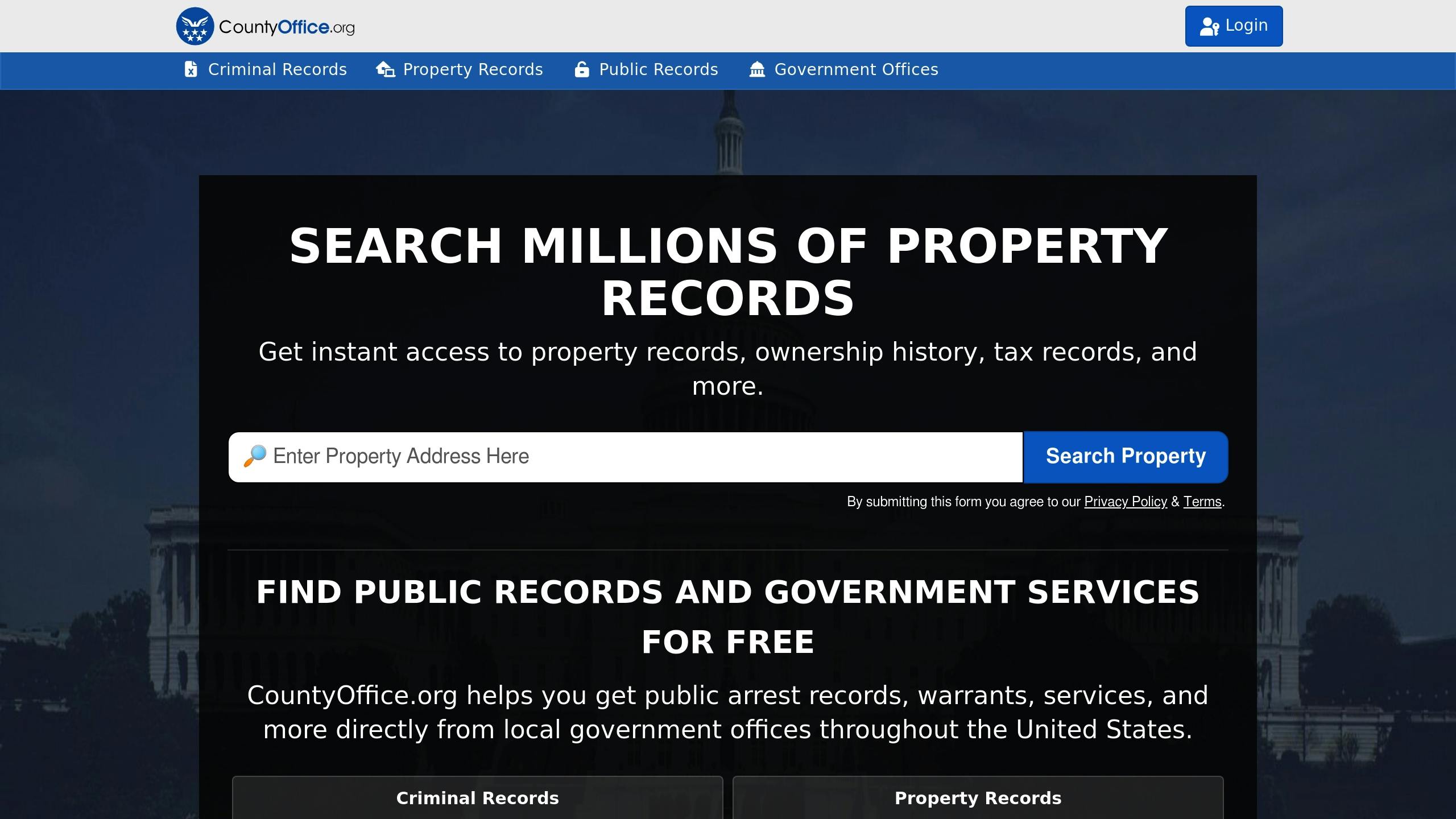
How To Find Property Value From Previous Years? - CountyOffice.org
Property Valuation Basics
Understanding the basics of property valuation helps lay a solid foundation for tracking historical trends. By combining various metrics, you can get a clearer picture of your home's past worth and how it has evolved over time.
What is Historical Property Valuation?
Historical property valuation is the process of determining what a property was worth at different points in the past. This involves analyzing past sales, tax assessments, and market data[3][5]. It provides insights into how factors like market trends, neighborhood changes, and economic conditions have influenced a property's value over time.
Looking at a home’s value over the past decade can reveal the impact of local market conditions, renovations, or economic shifts. This information is particularly useful when making decisions about refinancing, selling, or evaluating the performance of your investment[1]. For instance, long-term ownership often indicates a property in good condition and a desirable location, while frequent ownership changes might point to potential issues[7]. By reviewing ownership patterns alongside price trends, you can identify red flags or confirm a property’s consistent appeal in the market.
Key Valuation Metrics
Property valuation relies on three main metrics, each serving a specific purpose in analyzing historical data. Understanding these metrics can help you interpret trends more effectively and make informed decisions.
.png)
Assessed value is determined by local tax authorities and is primarily used for calculating property taxes[2]. These values are typically updated periodically but may not always reflect current market conditions. While they provide a baseline for tracking changes over time, assessed values are often lower than the actual market value and should not be the sole reference point.
Fair market value represents the price a property would likely sell for in an open market. It’s calculated using recent sales of similar properties and other market data[1][3]. This metric is especially relevant for active buying or selling decisions, as it reflects current demand and market trends. Real estate professionals often use tools like comparative market analysis or automated valuation models to determine fair market value.
Sales price is the actual amount paid during a property transaction. Unlike estimates or assessments, it provides concrete data about real market activity[3]. This metric is invaluable for tracking how a property’s value has changed over time, offering a clear picture of what buyers were willing to pay under specific market conditions.
When analyzing historical property values, additional details like sale date, property size (square footage), lot size, location, age, and condition are crucial[3]. These factors help explain why property values shifted during specific periods. For instance, a significant price jump might align with major renovations, while a decline could be linked to neighborhood changes or broader economic downturns.
The sales comparison approach is one of the most common methods for historical valuation. It involves looking at recent sales of similar properties to estimate value[3][8]. Typically, you’d compare 3–5 similar properties and make adjustments for differences like renovations, lot size, or other unique features[3].
Next, we’ll explore how public records and government data can further enhance your historical property evaluation.
Using Public Records and Government Data
Public records and government databases provide detailed historical property data, including transaction records and assessments that span decades.
County Property Records
County property records are a treasure trove of historical data. Local tax assessor offices maintain extensive records of past sale prices, tax assessments, and deed transfers, offering a clear view of how a property's value has changed over time[2][3].
Many counties now make these records accessible online through property records portals. Typically, all you need to start your search is the street address, though some searches may require additional details like section, block, or lot numbers[2]. For instance, a homeowner in Dallas County, Texas, can visit the county assessor's website, enter their property address, and access a timeline of past sale prices and assessments. These records may even highlight the impact of renovations or shifting market conditions[2].
County records often include deed transfers, sale prices, and assessment histories. However, accessing older records can sometimes be trickier. In many cases, incomplete digitization means you might need to visit the office in person, and retrieval fees could apply[2]. For properties with long histories, the records may be spread across multiple departments, requiring a more hands-on search to piece together a full history[2].
To complement this localized data, national sources provide a broader view of market trends.
National Data Sources
While county records focus on individual properties, national data sources offer insights into broader market trends. One key resource is the FHFA House Price Index (HPI), which tracks average price changes using data from millions of U.S. property transactions. This index provides quarterly and annual data at the state, metro, and national levels, making it a valuable tool for understanding market trends[4][6].
The FHFA HPI can help you analyze whether changes in your property's value align with overall market trends or are influenced by unique local factors. For example, if your property’s value has outpaced the FHFA HPI average, it might reflect significant local developments or improvements.
Another useful resource is the National Association of REALTORS® (NAR), which publishes detailed reports on median and average home prices, sales volumes, and market trends. These reports break down data by region and property type, shedding light on how different segments of the market are performing[1]. By comparing your property’s performance to these broader trends, you can gain a clearer perspective on its market position.
.png)
The combination of localized data from county records and the big-picture insights from national sources like the FHFA HPI and NAR reports creates a well-rounded understanding of property value trends. While national resources provide aggregated data for tracking overall trends, county records offer the granular details needed for a deep dive into individual properties.
To ensure accuracy when researching historical property values, it’s wise to cross-reference multiple sources. Comparing county records with tax assessments and deed transfers can help fill in any gaps and provide a more complete picture.
Next, we'll dive into how online tools and digital platforms can simplify this research process and make tracking historical property data even easier.
Online Tools and Digital Platforms
With the wealth of public records and government data now available, digital tools have made it easier than ever to track historical property values. These platforms allow users to access property data from virtually any device, offering both convenience and detailed insights.
Popular Online Tools
Websites like Realtor.com and Zillow compile MLS and public records data to provide a clear picture of historical property values. On Realtor.com, you can simply enter a property address to access the "Price History" section, which lists past sale prices, listing prices, and key dates of market activity. Zillow offers similar features, including tools like "Price History" and "Zestimate History", which provide automated valuation estimates. These tools not only track individual property trends but also offer neighborhood-level insights, such as median sale prices and broader market patterns.
In addition to these listing platforms, larger market databases can enhance your analysis with more comprehensive data.
Tracking Data with FRED and Reventure
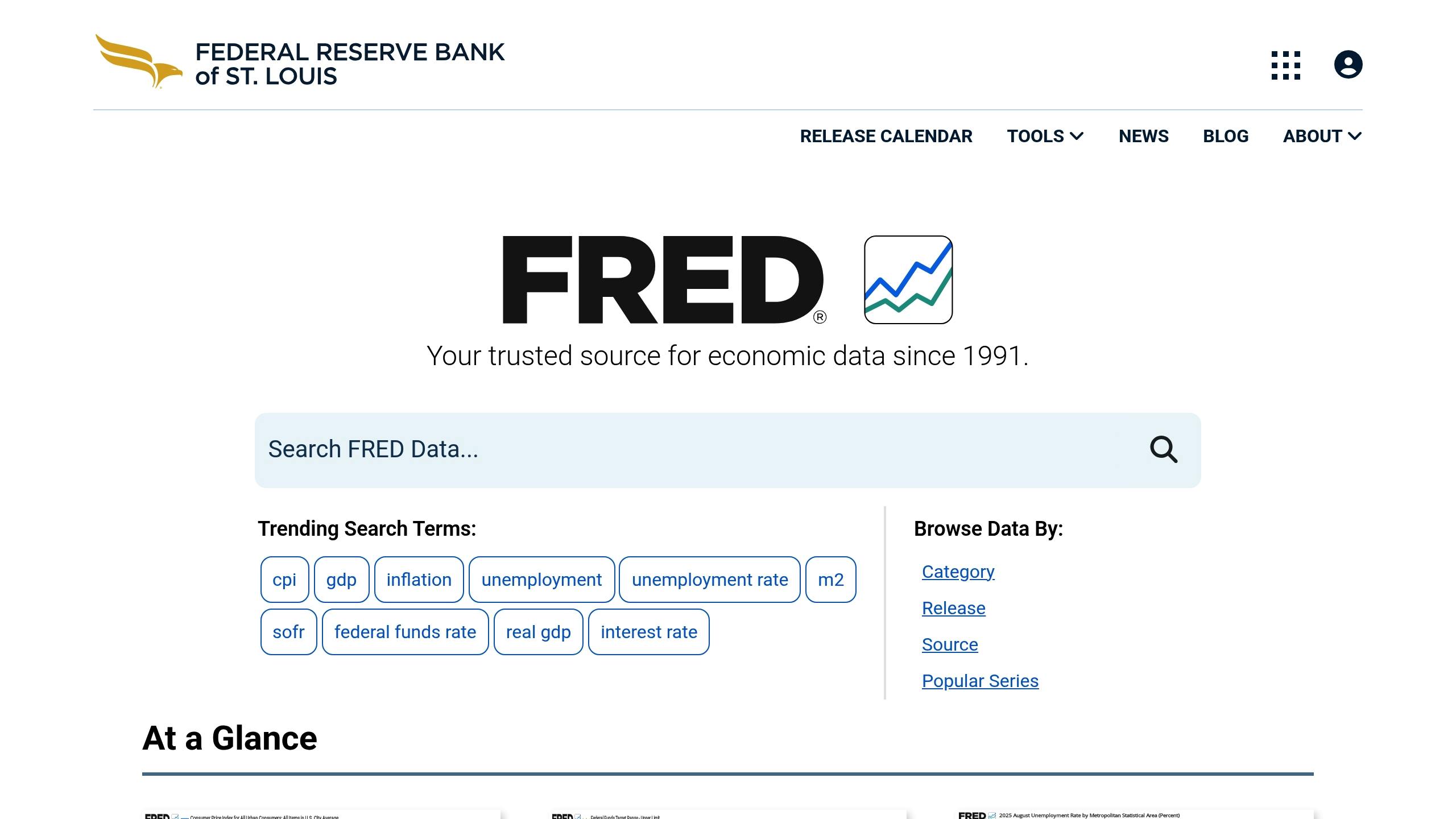
FRED (Federal Reserve Economic Data) offers a wealth of housing statistics, including the widely recognized S&P CoreLogic Case‑Shiller Home Price Indices. These indices track residential property prices across major metropolitan areas, making it easier to identify significant year-over-year changes and understand broader market trends that can affect individual valuations.
Reventure Consulting, on the other hand, focuses on ZIP code–specific data through its housing market analysis platform. Their reports provide detailed insights into price trends, inventory levels, and market risks. They also deliver forward-looking projections based on local factors like economic growth, population changes, and housing supply. Together, these platforms offer a blend of macroeconomic context and localized data for a well-rounded understanding of market dynamics.
How HouseFacts Simplifies Historical Tracking

While external tools provide market-wide insights, HouseFacts takes a property-specific approach, making it easier to manage and analyze individual property records. This platform centralizes all your property-related documents, financial data, and maintenance history in one place, streamlining the process of tracking value changes over time.
For example, if you upload an invoice for a new roof or a kitchen renovation, HouseFacts records the improvement and tracks how it might impact your property's value. It also helps you monitor financial performance by logging expenses, equity changes, and tax implications. By keeping a detailed history of all property-related costs, HouseFacts allows for a more accurate assessment of your property's overall financial performance - not just its market value.
HouseFacts is available for $15.99 per month or $99 annually per property, with a 30-day free trial to help you get started.
Conclusion: Simplify Historical Tracking for Better Property Management
Tracking historical property values can be straightforward with the right combination of verified public records and digital tools. Public records from county assessors and government databases offer a solid foundation of factual transaction data and ownership history. Pairing these with online platforms enhances your understanding through automated valuation models and market trend insights. Resources like the FHFA House Price Index also provide a broader view of market patterns in your area.
Success comes from cross-referencing multiple data sources to uncover consistent trends and flag any discrepancies. Public records deliver the concrete facts, while digital tools fill in the gaps with algorithm-driven insights. Together, they create a complete picture.
Once you've gathered the data, keeping it organized is just as important. Well-maintained historical property records can give you a real edge when making financial decisions. Whether you're refinancing, planning upgrades, or preparing for a sale, having easy access to your records simplifies the process and boosts confidence in your choices.
Platforms like HouseFacts make this easier by centralizing your property's financial history and maintenance records. For $15.99 per month or $99 annually per property, their AI-driven features help you stay on top of historical trends without the hassle of constant manual updates.
