How to Keep an Appliance Service Log (So Small Problems Stay Small)
 Elizabeth KiselevApril 2, 20267 min read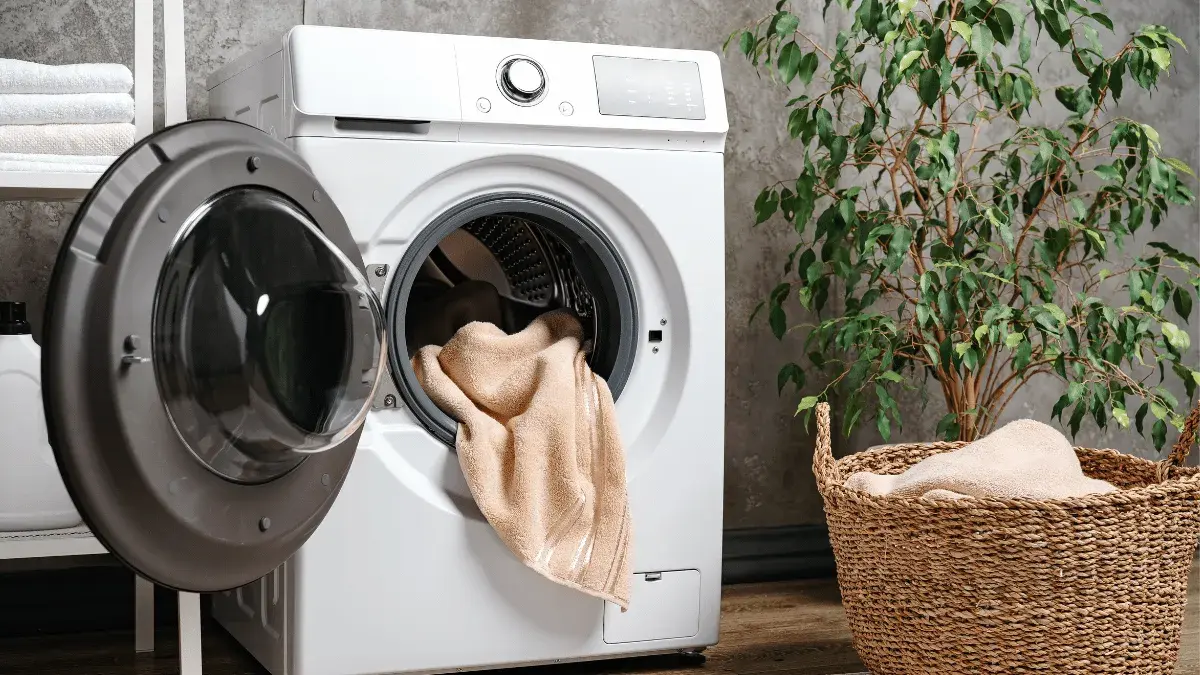
Open your front-loading washer and pull back the rubber gasket around the door. Look into the folds. If you see black or gray spots, that is mold. If you smell something musty right after a clean load, that is mold too, you just cannot see it yet. It is one of the most common issues in modern washers, and a good share of front-loader owners are living with some of it right now without knowing.
Here is the thing, though: this post is not really about scrubbing the gasket. Plenty of sites will walk you through the bleach and the vinegar, and we will get to the routine below. What actually keeps that mold, and the rumble in the dryer, and the sediment knock in the water heater, from turning into a surprise repair bill or a warranty claim your manufacturer can turn down is quieter than any cleaning trick. It is a habit: keeping a dated service log for every appliance you own.
A Service Log Is Just the Date, the Task, and the Appliance
A service log sounds official. It is not. Every time you clean an appliance, replace a part, or have a technician out, you write down three things: the date, what was done, and which appliance it was. Do that for a few months and you have a maintenance history. Do it for a few years and you have something genuinely useful.
That history pays off every year you own the home, not just the year you sell:
- Decisions. A glance tells you the washer's last tub-clean was in March, which means it is overdue, or that the water heater was flushed last fall, which means it is fine. You stop guessing.
- Warranties. A warranty is only as good as your ability to use it. Manufacturers can ask you to keep up reasonable maintenance, and a claim can hinge on showing you did. The Federal Trade Commission's guidance on warranties is plain about keeping your paperwork and your records so a claim holds up. 1 A dated log is that proof.
- Repair bills. A small logged problem, caught early, stays small. A musty smell you noted in month one is a wipe-down. The same smell ignored for a year can mean a new door boot or pump.
Selling the house later, and handing the next owner a clean maintenance history, is a nice bonus. It is never the reason to start. The reason to start is the four loads of laundry you will run this week.
Why the Washer Is the Best Place to Start Your Log
Front-loading washers are genuinely good machines. They use less water and less energy than older top-loaders, which is exactly why ENERGY STAR and the Department of Energy point homeowners toward them. 2 But that sealed, efficient design has one stubborn side effect.
The rubber gasket that keeps water inside during a cycle also holds a little moisture afterward. Add darkness, warmth, and leftover detergent and lint, and you have the one thing mold cannot grow without: a damp surface that never fully dries. The Environmental Protection Agency puts it simply. Control the moisture and you control the mold, because mold cannot grow without it. 3 A front-loader, closed up tight between loads, does the opposite.
This is not a fringe complaint. In Consumer Reports' surveys of front-load washer owners, 16 percent reported mold, mildew, and odor issues, and that is only the owners who noticed. 4 It matters beyond the smell, too: the CDC notes that breathing mold can bring on stuffiness, coughing, and wheezing, and hits harder for anyone with asthma or allergies. 5 You wear and sleep in what comes out of that machine, so it is worth staying ahead of.
The washer is the best appliance to build the habit on because it needs attention monthly, which means you will actually make log entries often enough for the habit to stick.
What to Log for the Washer, and the 15-Minute Routine
Once a month, run this routine and then write one line in your log: the date and "tub clean + gasket." That is the whole entry.
Clean the gasket by hand. Pull back every fold of the door gasket. Wipe with a cloth dampened in equal parts white vinegar and warm water, or a diluted bleach solution if your manufacturer's manual allows it. Pay attention to the bottom of the gasket where water pools, and fish out any socks or hair ties trapped in the folds. Dry it with a clean cloth.
Clean the detergent drawer. Pull it all the way out, rinse under warm water, scrub the corners with a soft brush, and dry it before it goes back.
Run a hot cleaning cycle. Use the tub-clean setting if your washer has one. If not, run an empty cycle on the hottest setting with a cup of bleach and no laundry, or two cups of white vinegar in the drum. 4
Leave the door and drawer ajar between every load. This is the one that does the most work. An open door lets the drum dry out instead of sitting sealed and damp. It costs you nothing and prevents more mold than any cleaning cycle.
A word on detergent while you are at it: more is not better. Most people pour far past what a high-efficiency machine needs, and the excess does not rinse away. It builds up as residue and becomes the very food mold feeds on. For an HE front-loader, a tablespoon or two per load is usually plenty. Your manual has the exact figure, and using the right amount keeps residue from building up and feeding the mold. Log the day you switch to measuring by the tablespoon. It is the kind of small change you will forget you made otherwise.
When the Log Earns Its Keep
Cleaning does not always solve it. If any of these are true, the mold may have spread past what a routine cycle can reach:
- Laundry still smells musty after it is fully dried
- Visible mold returns within days of cleaning the gasket
- The drum stays musty after several hot cleaning cycles
At that point you are weighing a repair against the machine's age, and this is exactly the moment a service log stops being tidy and starts being valuable. Your log tells you when the washer was installed, how faithfully it was maintained, and how many years it likely has left. A five-year-old machine you have cleaned monthly is worth a new gasket. A twelve-year-old one you have fought with all year probably is not. Without the record, you are deciding blind.
Let HouseFacts Keep the Log for You
A notebook works. It also gets lost, and it never reminds you that the tub-clean is overdue. This is the small, unglamorous job HouseFacts is built for.
In HouseFacts, each appliance keeps its own service history, so the washer's monthly cleanings, the day you replaced the door boot, and the technician's visit all live on the washer's own record instead of scattered across drawers and inboxes. Add the serial number and Appliance Intelligence reads it back as the manufacture date, which is how old the machine truly is, its expected lifespan, and any active recalls. If you add your warranty details, they sit right there next to the dated proof that you kept up the maintenance, which is the pairing that makes a claim easy to file rather than a scramble. You can also forward a repair receipt into your records so the paperwork lands in one place.
Set a monthly reminder for the tub clean and log the date each time you do it. It is the maintenance task most likely to be skipped, and one of the few that touches your family's laundry every single day. HouseFacts is $99 a year per property, which works out to about $8.25 a month, and there is a 14-day free trial if you want to log a few appliances first and see how it feels.
DISCLAIMERThis article is for general informational purposes only. If you or household members are experiencing health symptoms you believe may be related to mold exposure, consult a qualified medical professional. For persistent mold issues in your appliance, consult your manufacturer or a certified appliance technician.
SOURCES
[1] Federal Trade Commission. "Warranties." https://consumer.ftc.gov/articles/warranties
[2] ENERGY STAR. "Clothes Washers." https://www.energystar.gov/products/clothes_washers
[3] U.S. Environmental Protection Agency. "A Brief Guide to Mold, Moisture, and Your Home." https://www.epa.gov/mold/brief-guide-mold-moisture-and-your-home
[4] Consumer Reports. "How to Minimize Mold in Your Washing Machine." https://www.consumerreports.org/appliances/washing-machines/how-to-minimize-mold-in-your-washing-machine-a6065828553/
[5] U.S. Centers for Disease Control and Prevention. "About Mold." https://www.cdc.gov/mold-health/about/index.html
Keep reading
 appliancesmaintenance
Your Water Heater Might Fail. Whether Insurance Pays for the Damage Comes Down to a Few Words in Your Policy.
Does homeowners insurance cover water heater leaks? Usually yes if the failure is sudden, no if it's gradual. Here's how to protect your claim before it happens.
 appliancesseasonal
The Things That Live Outside: A Guide to Outdoor Appliance Safety
Keep your grill, generator, and outdoor appliances safe year-round. Practical tips on fuel, electrical safety, and off-season storage for homeowners.
 maintenance
Repair or Replace? The Appliance Age Guide Every Homeowner Needs Before Calling a Technician
Before you spend $400 on a repair call, spend two minutes with this guide. Knowing your appliance's age, and the Rule of 50%, could save you thousands.