Simple Storm Prep Tips for a Stress-Free Season
 HouseFacts Home ResearcherJune 26, 20267 min read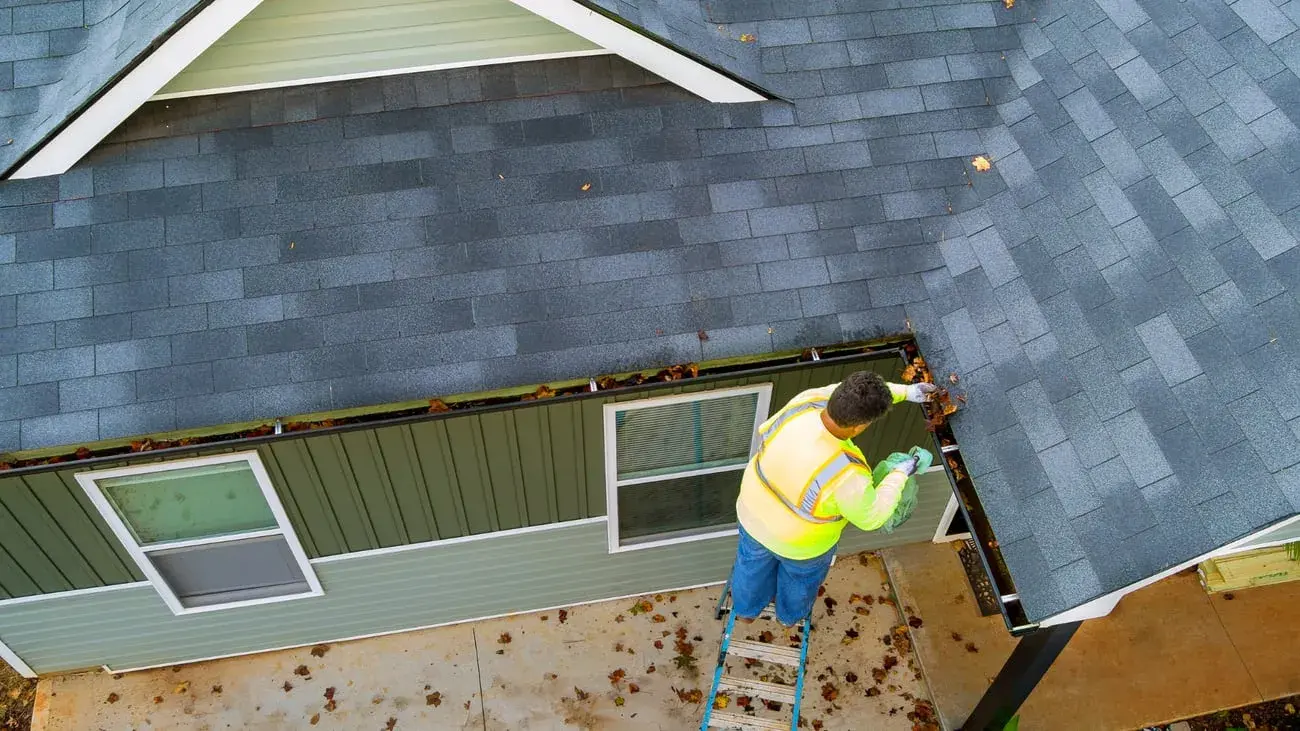
Why summer storm prep is different from general home maintenance
Winter weatherproofing gets all the attention. But summer storms (thunderstorms, hail, high winds, and flash flooding) cause significant home damage every year. The difference is the speed. A blizzard gives you days of warning. A severe thunderstorm can form in under an hour.
That speed means two things. First, any prep you do needs to happen well before the forecast. Second, anything left undone before a storm watch is almost certainly getting skipped.
Do it now. Here is what to look at.
Before the storm: the checklist
1. Clear the gutters and downspouts
Gutters clogged with leaves, seed pods, and debris from spring are the most common driver of water damage in summer storms. When water cannot move through the gutter system, it backs up under roof shingles, overflows against the foundation, and eventually finds its way inside.
What to do:
- Scoop out debris by hand or with a gutter scoop
- Flush with a garden hose, starting at the end opposite the downspout
- Watch where the water exits: it should flow at least three to four feet away from the foundation
- Check that downspout extensions are in place and not buried under mulch or soil
If water pools near your foundation after a normal rain, that is a red flag worth addressing before storm season accelerates.
2. Walk the roof and inspect seals
You do not need to get on the roof. A pair of binoculars from the ground gives you enough visibility for a basic inspection.
What to look for:
- Missing, curling, or cracked shingles
- Lifted flashing around chimneys, skylights, or vents
- Soft spots or sagging sections (visible from the roofline)
- Gaps where the roof meets the fascia or gutters
A single missing shingle is not an emergency, but it is a known entry point for water. Finding it in June is a two-hour fix. Finding it in September, after two months of storms, is a ceiling replacement.
If the roof is more than 15 years old or you have not had it inspected recently, a professional inspection before peak storm season is worth the cost.
3. Check windows, doors, and exterior seals
Gaps around window frames, door frames, and utility penetrations (where HVAC lines or pipes enter the exterior wall) are easy to overlook until water is running down your interior wall.
What to check:
- Run your hand around window and door frames on the interior: drafts signal gaps
- Inspect exterior caulk for cracking, shrinkage, or separation
- Check door sweeps on exterior doors for wear
- Look at the seal where your foundation meets your siding
Recaulking gaps is a low-cost, high-return maintenance task that takes an afternoon and protects against both water intrusion and energy loss year-round.
4. Secure outdoor furniture and yard equipment
Wind speeds in a severe thunderstorm frequently exceed 60 miles per hour. At that speed, a patio chair, a propane tank, or a garden tool becomes a projectile.
Before a storm watch is issued, get in the habit of:
- Storing lightweight furniture, cushions, and umbrellas inside or in a garage
- Securing heavier items (grills, tables) with anchor straps or moving them against the house
- Putting away garden tools, hoses, and planter stands
- Trimming tree limbs that overhang the roof or power lines, before storm season, not during
The time to develop this habit is now. When a watch is issued, the decision to move everything inside should take minutes, not an hour of deliberation about what matters.
5. Service the sump pump
If your home has a basement or crawl space, the sump pump is the last line of defense against flooding during heavy rain. A pump that fails during a storm is not discovered until the water is already there.
How to test it:
- Pour a bucket of water slowly into the sump pit
- The float should rise and trigger the pump automatically
- The pump should clear the water and shut off cleanly
Also check:
- That the discharge line is clear and draining away from the foundation
- That there is no debris in the pit blocking the float
- That the pump is plugged into a working GFCI outlet
If the pump is more than seven to ten years old, replacement before storm season is cheaper than emergency water extraction after a failure.
6. Replace the HVAC filter
This one feels unrelated to storm prep until you understand why it matters. A clogged filter forces your HVAC system to work harder. In a storm, when power fluctuates or fails and restores, an already-stressed system takes the hit harder. A clean filter also keeps the system running efficiently through peak summer heat: storm season and heat season run on the same calendar.
Replacing the filter takes five minutes. Do it now and put the next replacement on a recurring reminder that comes back on its own.
7. Build or refresh your emergency kit
Power outages after summer storms regularly last twelve to forty-eight hours. Some last longer. An emergency kit is not dramatic preparation. It is practical planning for a predictable inconvenience.
What to keep in one easy-access bin:
- Flashlights and extra batteries (or a hand-crank flashlight)
- Battery-powered or hand-crank weather radio
- Bottled water (one gallon per person per day, three-day minimum)
- Non-perishable food that does not require cooking
- First-aid kit
- Prescription medications (at least a three-day supply)
- Phone charger and backup battery pack
- Cash in small bills (card readers do not work without power)
- Copies of important documents (insurance policy, IDs, medical records)
Keep the bin in the same place. Everyone in the household should know where it is.
8. Document what you own, before you need to prove it
This is the prep step most homeowners skip entirely, and the one that creates the most friction after a storm.
If you file an insurance claim after storm damage, your insurer will ask what was damaged, what it was worth, and when you acquired it. Without documentation, you are relying on memory under stress, and insurers will require proof for significant claims.
The fastest way to create a home inventory is a room-by-room video walkthrough. Open drawers, closets, and cabinets. Narrate what you are seeing. Note serial numbers on appliances and electronics where you can read them. Upload the video to cloud storage or a platform like HouseFacts where it stays attached to your property record and is accessible if your devices are damaged in the storm.
If you already have a home inventory, now is a good time to update it. Major purchases since your last walkthrough (appliances, electronics, furniture) should be added.
Start your home inventory with HouseFacts →
During the storm
Most of what happens during a storm is outside your control. Your job is to stay safe and away from windows, monitor weather updates via a battery-powered radio if power is out, and avoid flooded roads.
A few things worth knowing:
- Do not use candles if you suspect any gas appliance may have been compromised
- Avoid contact with standing water inside your home: it may be in contact with electrical systems
- Never run a generator inside, in the garage, or in any enclosed space. Run it outdoors, at least 20 feet from the home, with the exhaust pointed away from windows, doors, and vents (CPSC)
After the storm: what to check immediately
Once it is safe to go outside, a systematic walkthrough helps you catch damage early, before water infiltration worsens or a contractor closes out their schedule.
Exterior:
- Walk the roofline and note any missing shingles, damaged flashing, or debris on the roof
- Check gutters for damage or displacement
- Look at the foundation for new cracks or standing water
- Note any fallen tree limbs, especially those that made contact with the structure
Interior:
- Check the attic for daylight, water stains, or wet insulation
- Look at ceilings and walls in upper floors for water marks or soft spots
- Check the basement or crawl space for water intrusion
- Verify the sump pump is still operational
If you find damage:
- Photograph everything before any cleanup or temporary repairs
- Contact your insurer before hiring a contractor: some policies require prior authorization
- Keep all receipts for emergency repairs: temporary fixes to prevent further damage are typically reimbursable, and a running record of what you've spent on the house makes the claim much easier to file
Keep reading
 appliancesmaintenance
Your Water Heater Might Fail. Whether Insurance Pays for the Damage Comes Down to a Few Words in Your Policy.
Does homeowners insurance cover water heater leaks? Usually yes if the failure is sudden, no if it's gradual. Here's how to protect your claim before it happens.
 maintenance
What Homebuyers Notice in Your Yard (Before They Even Walk Inside)
Selling your home? Buyers judge your yard in seconds, and it can cost you thousands. Here's what they notice and the low-cost fixes that can protect your price.
 appliancesseasonal
The Things That Live Outside: A Guide to Outdoor Appliance Safety
Keep your grill, generator, and outdoor appliances safe year-round. Practical tips on fuel, electrical safety, and off-season storage for homeowners.