The 10 Numbers Every Homeowner Should Have Saved Before a Crisis Hits
 Elizabeth KiselevMarch 24, 20268 min read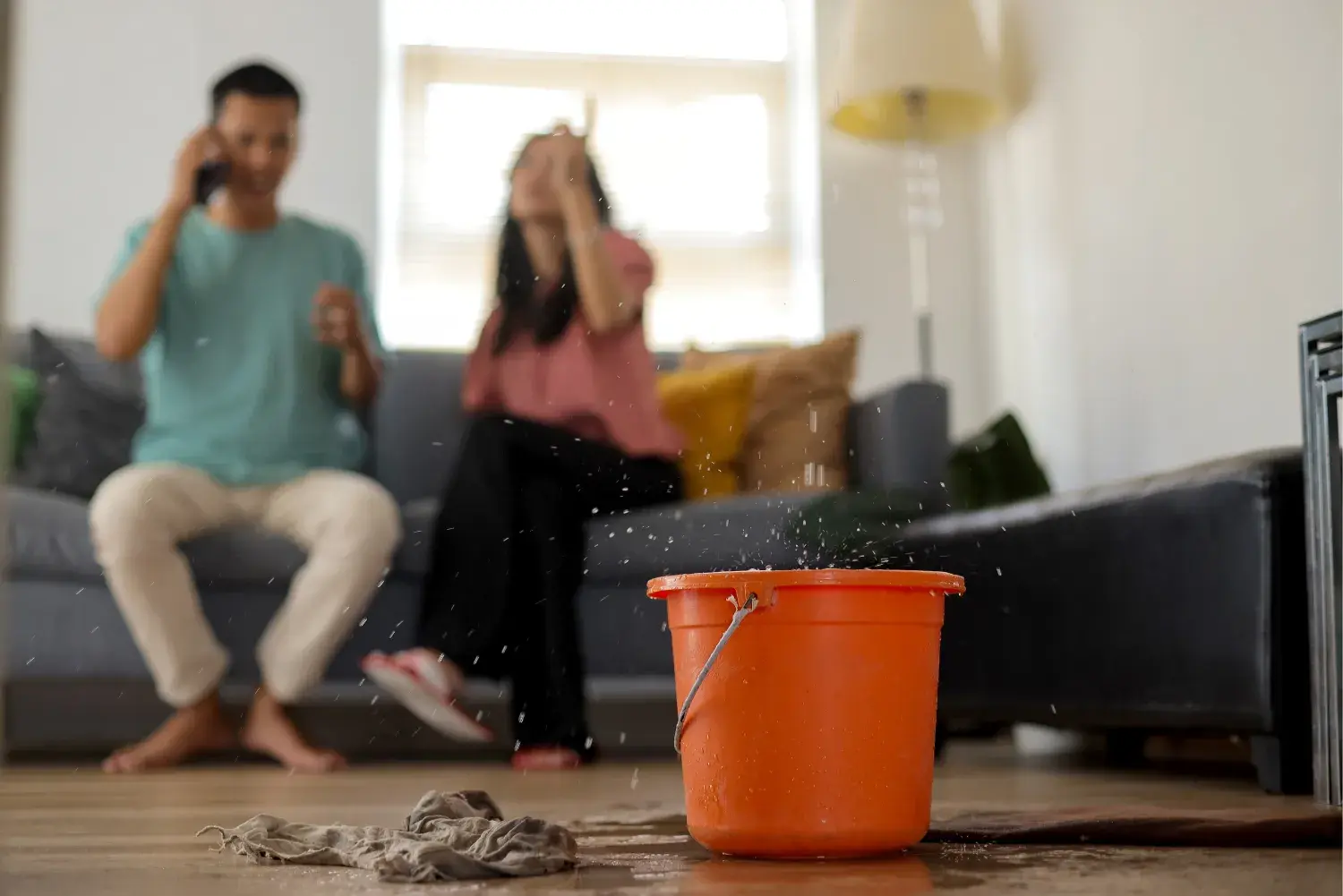
It's 11pm. Water is pouring through your ceiling. Your furnace just died in January. A tree just hit your fence. In that moment, the last thing you want to do is Google "emergency plumber near me." You want a number you already trust, already saved, ready to dial.
Most homeowners don't build their emergency contact list until after the first disaster. That's backwards. The 10 contacts below should be saved in your phone, written on a sheet on your fridge, and stored digitally somewhere your whole household can access, before you ever need them.
We've also put together a free downloadable template at the bottom of this post. Print it out. Fill it in tonight. Your future self will thank you.
The Essential 10
01. Your Plumber
Priority: Critical
A burst pipe, a sewage backup, or a water heater failure can cause thousands of dollars of damage in minutes. You need a licensed plumber you trust, not whoever shows up first from a Google search at midnight.
Find a plumber before you need one. Ask neighbors, check reviews, and call them once for a non-emergency job so you know their quality.
Pro tip: Save both their regular line and their 24/7 emergency line. They're often different numbers.
02. Your Electrician
Priority: Critical
Electrical emergencies (flickering panels, burning smells, tripped breakers that won't reset) are fire hazards. A trusted, licensed electrician on speed dial is non-negotiable.
The key word is licensed. In a panic, it's tempting to call whoever is available. Having a vetted electrician already saved means you won't make that mistake.
Pro tip: Write down their license number too (helpful for insurance claims if work is needed urgently).
03. Your HVAC Technician
Priority: Critical
Your furnace breaking in February or your AC dying during a heat wave is a genuine safety emergency, not just a comfort issue. HVAC technicians book up fast in peak seasons.
If you have a service contract with an HVAC company (and you should), their priority line for contract holders is often faster than calling as a new customer. Save that number separately.
Pro tip: Note your HVAC model number and last service date next to this contact: technicians will ask.
04. Your Home Insurance Agent
Priority: Critical
Not the 1-800 number on the back of your card: your actual agent. The person who knows your policy, can advocate for you, and can tell you in plain English what's covered before you make decisions you can't undo.
After a major event (storm, fire, flood), insurers are flooded with claims. Having a direct agent relationship (and their cell phone) gets you moving faster.
Pro tip: Store your policy number alongside this contact. You'll need it for every call.
05. Your Local Utility Companies
Priority: Important
You need three numbers here: your gas company's emergency line, your electric company's outage line, and your water utility's emergency number. These are different from the billing lines.
A gas smell, a downed power line, or a main water line break all require calling the utility directly, not a contractor. Know who to call first.
Pro tip: The gas emergency line is especially important: if you ever smell gas, call them first, then leave the house.
06. A Tree Service / Arborist
Priority: Important
Storm damage is the most common homeowner emergency most people aren't prepared for. A large branch on your roof, a tree blocking your driveway, or a limb threatening a power line needs a professional, fast.
After a major storm, tree services are booked for weeks. Homeowners with an existing relationship or a saved contact get to the front of the line.
Pro tip: Check that they're insured before any work begins: tree work injuries are a liability risk.
07. A Water / Fire Damage Restoration Company
Priority: Important
If you have a significant water leak, sewage backup, or fire (even a small one), the structural damage starts within hours. Mold can begin growing in 24–48 hours. A restoration company that does emergency water extraction can save your floors, walls, and belongings.
Your insurance company may have a preferred vendor, but you're not obligated to use them. Having your own contact means you can make that call faster.
08. A Locksmith
Priority: Important
Getting locked out is embarrassing. Getting locked out at night in bad weather is dangerous. Locksmith scams are also rampant: fraudulent companies advertise low prices then charge hundreds once they're at your door.
Find a licensed, reputable locksmith now. Save their number. When you're standing outside your house at midnight, you'll be glad you did.
Pro tip: Verify they're licensed in your state. Locksmith licensing requirements vary significantly by location.
09. Your HOA or Property Manager
Priority: Helpful
If you live in a community with shared infrastructure (roofs, pipes, common areas), some emergencies may be the HOA's responsibility, not yours. Calling them first can save you from paying for repairs that aren't your bill.
Even if you're a standalone homeowner, your HOA may have relationships with preferred vendors or emergency contacts that get faster response times.
10. A Trusted General Contractor
Priority: Helpful
Not every emergency neatly falls into "plumber" or "electrician." Sometimes you need someone who can assess damage, board up a broken window, tarp a damaged roof, or coordinate multiple trades at once.
A general contractor you trust (someone who has done work at your home and knows the layout) is one of the most valuable contacts a homeowner can have.
Pro tip: This is the contact most homeowners wish they'd established before they needed it. Build the relationship on a small job first.
Quick Reference: Your 10 Essential Contacts
- Plumber (regular + 24/7 emergency line)
- Electrician (licensed)
- HVAC Technician / Service contract line
- Home Insurance Agent (direct line + policy number)
- Gas, Electric & Water utility emergency lines
- Tree Service / Arborist
- Water & Fire Damage Restoration
- Locksmith (licensed)
- HOA / Property Manager
- Trusted General Contractor
Where to Store These Contacts
Saving contacts in your phone is a good start, but not enough. Phones die. Phones get lost. In a real emergency, someone else (your spouse, a house sitter, your adult child) may need to make the call.
We recommend three places: your phone, a printed sheet posted inside a kitchen cabinet, and a digital record in your home management app where anyone with access can find it. The printed sheet feels old-fashioned until the power is out and your phone is dead.
HouseFacts keeps these contacts on the same property record that already holds the rest of your home's details, so the emergency sheet is one layer of it, not a separate list you have to remember to update. Your insurance agent sits next to the policy number you'll read out on the first call. Your HVAC technician sits next to the HVAC model and last-service date they'll ask for. Everything is organized by category, accessible to anyone you grant access, and always attached to the right property. It takes about ten minutes to set up, and it can pay for itself the first time you need it.
Download the Free Template
We've put together a clean, printable Home Emergency Contact Sheet with space for all 10 contact types, policy numbers, after-hours lines, and notes. Download it below, fill it in, and post it somewhere every member of your household can find it.
Download the Free Home Emergency Contact Sheet →
One Last Thing
The best time to build this contact list was when you moved in. The second best time is today. Set aside 20 minutes this week, ask your neighbors who they trust, and fill out that sheet. The peace of mind alone is worth it, and the first time a pipe bursts or a tree falls, it'll feel like the best 20 minutes you ever spent.
Keep reading
 appliancesmaintenance
Your Water Heater Might Fail. Whether Insurance Pays for the Damage Comes Down to a Few Words in Your Policy.
Does homeowners insurance cover water heater leaks? Usually yes if the failure is sudden, no if it's gradual. Here's how to protect your claim before it happens.
 maintenance
What Homebuyers Notice in Your Yard (Before They Even Walk Inside)
Selling your home? Buyers judge your yard in seconds, and it can cost you thousands. Here's what they notice and the low-cost fixes that can protect your price.
 appliancesseasonal
The Things That Live Outside: A Guide to Outdoor Appliance Safety
Keep your grill, generator, and outdoor appliances safe year-round. Practical tips on fuel, electrical safety, and off-season storage for homeowners.