Your Home's Anniversary: A Yearly Maintenance Checklist Worth Celebrating
 Elizabeth KiselevMay 7, 20266 min read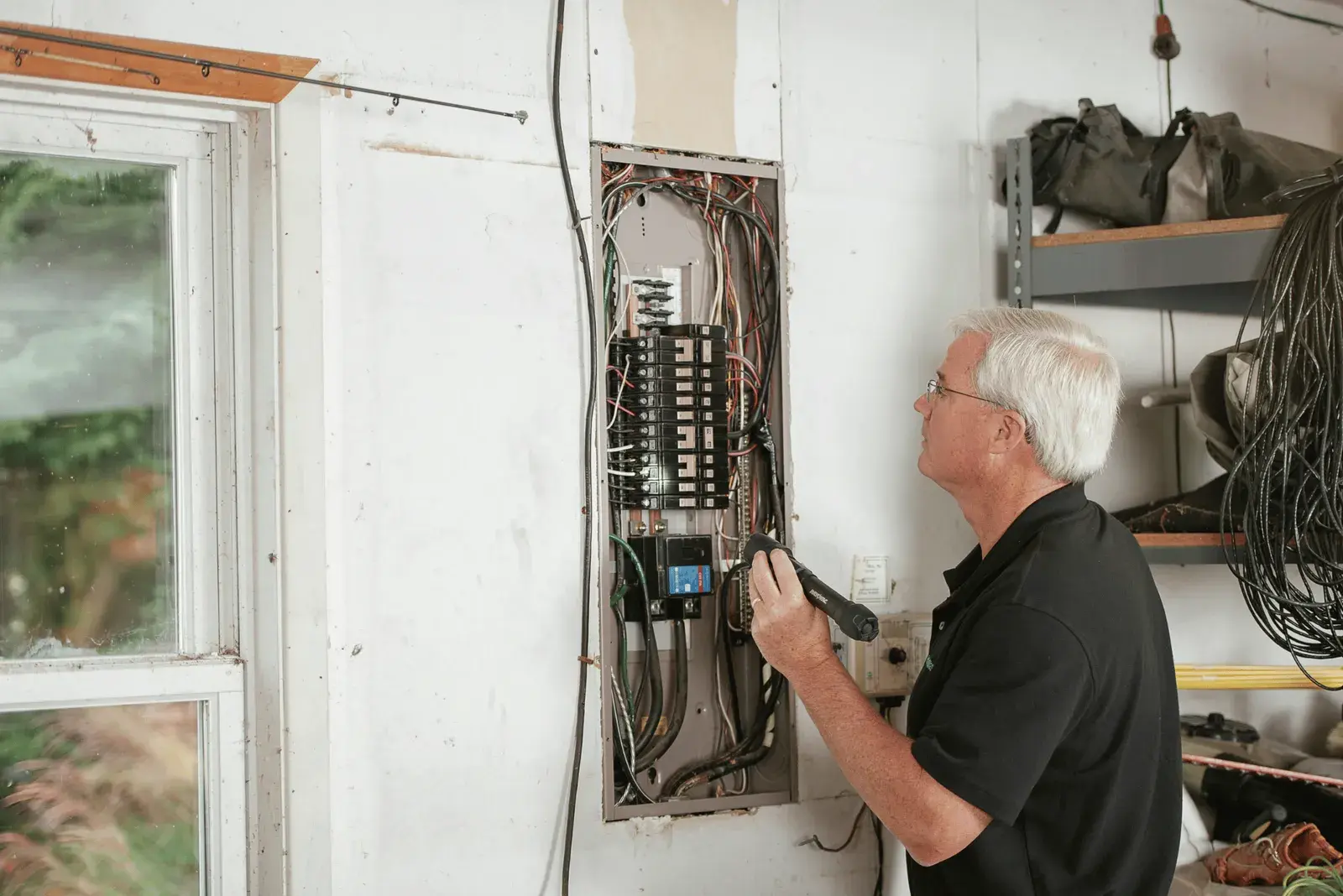
Somewhere in your calendar, there's a date most homeowners forget: the day you closed on your house.
It's buried in an email thread with your lender, scribbled on a folder of closing documents you haven't opened since, and quietly ticking past every year without ceremony. For most people, it comes and goes unnoticed.
But that date is worth remembering, and not just for sentimental reasons.
Your home's anniversary is the most useful maintenance deadline you have. It's the one day a year when you can step back, look at the whole house at once, and make sure the most important thing you own is aging the way you want it to. It's not a chore. It's a checkup. And if you frame it right, it's genuinely something worth celebrating.
Here's how to make the most of it.
Why an Annual Ritual Beats a Maintenance Schedule
Most home maintenance advice is organized by season. Spring tasks. Fall tasks. Summer prep. Winter prep. It's fine advice, but it's also why most people don't follow it. Too many lists, too many reminders, too much guilt spread across too many months.
An anniversary is different. It's one day. It's tied to a date you already know. It has a natural rhythm and a natural reward: you get to look back at the year and feel good about the house you're building into a home.
Pour a coffee. Put on music. Grab your phone. Walk your house the way you did the day you bought it, but this time, you actually know what you're looking at.
The Anniversary Walkthrough: Outside First
Start where the weather hits hardest. A full lap around the outside of your house tells you more about its health than almost anything you can do inside.
Look up at the roof. You don't need to climb it. From the ground, scan for missing shingles, dark streaks, sagging lines, or anything growing where it shouldn't be. If you can't remember the last time the roof was inspected, this is the year to schedule one. Asphalt shingle roofs typically last 20 to 30 years, and the back half of that range is where small problems become expensive ones.
Check the gutters and downspouts. Are they pulling away from the house? Are the downspouts still directing water away from the foundation? Water is patient and destructive, and gutters are your cheapest defense against it.
Walk the foundation. Look for new cracks, efflorescence (that chalky white residue), or any place where the soil has settled away from the house. Small settlement cracks are normal. Horizontal cracks, stair-step cracks in brick, or anything wider than a pencil deserves a professional look.
Where you live changes what this walk is really watching for. If your winters swing below freezing and back, the anniversary check is a freeze-thaw check: water finds a hairline crack, freezes, expands, and widens it a little more each season, so a crack you noted last year is worth measuring against this year's. The same cycle lifts flatwork (that heaved driveway slab or patio joint), pops caulk seams, and shows up as staining where ice dams backed water under the shingles last winter. In milder, wetter climates the same lap matters for different reasons: steady moisture, clay soil that shrinks and swells, and settling rather than ice. Either way, a dated photo of each spot beats memory. Line this year's photo up against last year's and you can see movement you would never catch by eye.
Test the exterior caulking and weather seals around doors, windows, and where different materials meet. A tube of caulk costs less than a latte and prevents a stunning amount of damage.
Note the trees. Any branches now overhanging the roof? Any roots heading toward your foundation or sewer line? Trees grow faster than memory, and a branch that was "nowhere close" three years ago is often touching shingles today.
The Anniversary Walkthrough: Inside
Now bring the coffee inside.
Start in the basement or lowest level. This is where your home tells the truth. Look at the floor around the water heater, the HVAC unit, the washing machine, and any exposed plumbing. Any stains, rust, drips, or mineral deposits? Water heaters typically last 8 to 12 years, and most of them give warning signs (rust on the tank, puddles underneath, strange noises) before they fail catastrophically.
Find your main water shutoff valve. Make sure you can actually turn it. Valves that haven't been touched in years sometimes seize in place, and the moment you need it is not the moment you want to discover that.
Check the HVAC system. When was the filter last changed? When was the system last serviced? Most systems benefit from an annual professional checkup, and catching a small refrigerant or airflow issue in spring is far cheaper than an emergency call in July.
Test every smoke and carbon monoxide detector. Replace batteries. Check the manufacturing date printed on the back: detectors expire, usually after 10 years, and most homeowners never know it.
Walk through each room and look up at the ceilings, down at the floors near exterior walls, and behind furniture that rarely moves. You're looking for stains, discoloration, warping, or anything that suggests water has been somewhere it shouldn't.
Open the under-sink cabinets in every kitchen and bathroom. Feel the bottom of the cabinet. Dampness here is the earliest warning sign of a slow leak, and the cabinet itself will tell you before any visible damage appears.
The Paperwork Part (Don't Skip This)
Here's the part most maintenance checklists leave out, and it's the part that pays off the most.
Once a year, put your home's documentation in order. Not perfectly, just better than it was.
Pull together any receipts, warranties, invoices, or service records from the past twelve months. Photograph them if they're paper. Put them somewhere you can actually find them again: a labeled folder on your phone, a shared drive, a physical binder, or a home management app like HouseFacts built for this exact purpose. If they arrived by email, you can simply forward them to a private address and they file themselves.
Note the age and model of anything major that's still original to your ownership: water heater, HVAC, roof, major appliances. If you already know these, great. If you don't, spend ten minutes this year learning them. The serial plate on your water heater has a manufacturing date on it. Your HVAC unit does too, and a photo of that label is enough to decode the age, expected lifespan, and any active recalls. This is information your future self (or a future buyer, or a future insurance claim) will thank you for.
Write down a single page that captures the essentials: the age of your major systems, the date of the last roof inspection, the location of your main water shutoff and electrical panel, and the contractors you've trusted enough to call twice. Update it every anniversary. In five years, it will be one of the most valuable documents you own.
A simple template keeps this from turning into a project. One line per system, four things on each line: what it is, how old it is, when you last had it looked at, and who you would call. Something like:
- Water heater: installed 2019, flushed last spring, plumber's name and number
- Roof: asphalt shingle, inspected 2025, no issues noted
- HVAC: 2016 unit, serviced each spring, HVAC company
- Water shutoff: front-left corner of the basement, behind the shelving
Keep this page in the same place as your home inventory so the whole picture of the house lives together, and the next anniversary is a five-minute update instead of a fresh start.
The Part Worth Celebrating
When you're done (probably two or three hours later, depending on your house), you've done something most homeowners never do. You've looked at your house with intention. You've caught small problems before they became big ones. You've updated the record of the single most expensive thing you own.
That deserves a dinner. Or a bottle of something good. Or just a quiet moment on the porch looking at the house and feeling, for once, like you're ahead of it instead of behind it.
Homes reward attention. Not constant attention, just honest, annual attention. The owners whose houses age well, sell well, and feel good to live in aren't working harder than everyone else. They're just showing up once a year, on a date they remember, and walking the property with open eyes.
Start This Year
If your anniversary has already passed this year, don't wait. Pick this weekend. Make it the new date.
Put it on your calendar as a recurring event, or set it as a reminder that comes back on its own each year. Give it a name you'll smile at (House Day, Closing Day, The Walkthrough), whatever feels right. Add a note with the short checklist above.
Next year, when the reminder pops up, you'll already know what to do. And the year after that, you'll start noticing what's changed, which is the moment you stop just owning a house and start genuinely knowing it.
That's worth celebrating.
Keep reading
 appliancesmaintenance
Your Water Heater Might Fail. Whether Insurance Pays for the Damage Comes Down to a Few Words in Your Policy.
Does homeowners insurance cover water heater leaks? Usually yes if the failure is sudden, no if it's gradual. Here's how to protect your claim before it happens.
 maintenance
What Homebuyers Notice in Your Yard (Before They Even Walk Inside)
Selling your home? Buyers judge your yard in seconds, and it can cost you thousands. Here's what they notice and the low-cost fixes that can protect your price.
 appliancesseasonal
The Things That Live Outside: A Guide to Outdoor Appliance Safety
Keep your grill, generator, and outdoor appliances safe year-round. Practical tips on fuel, electrical safety, and off-season storage for homeowners.