Your Water Heater Might Fail. Whether Insurance Pays for the Damage Comes Down to a Few Words in Your Policy.
 Elizabeth KiselevMay 20, 20269 min read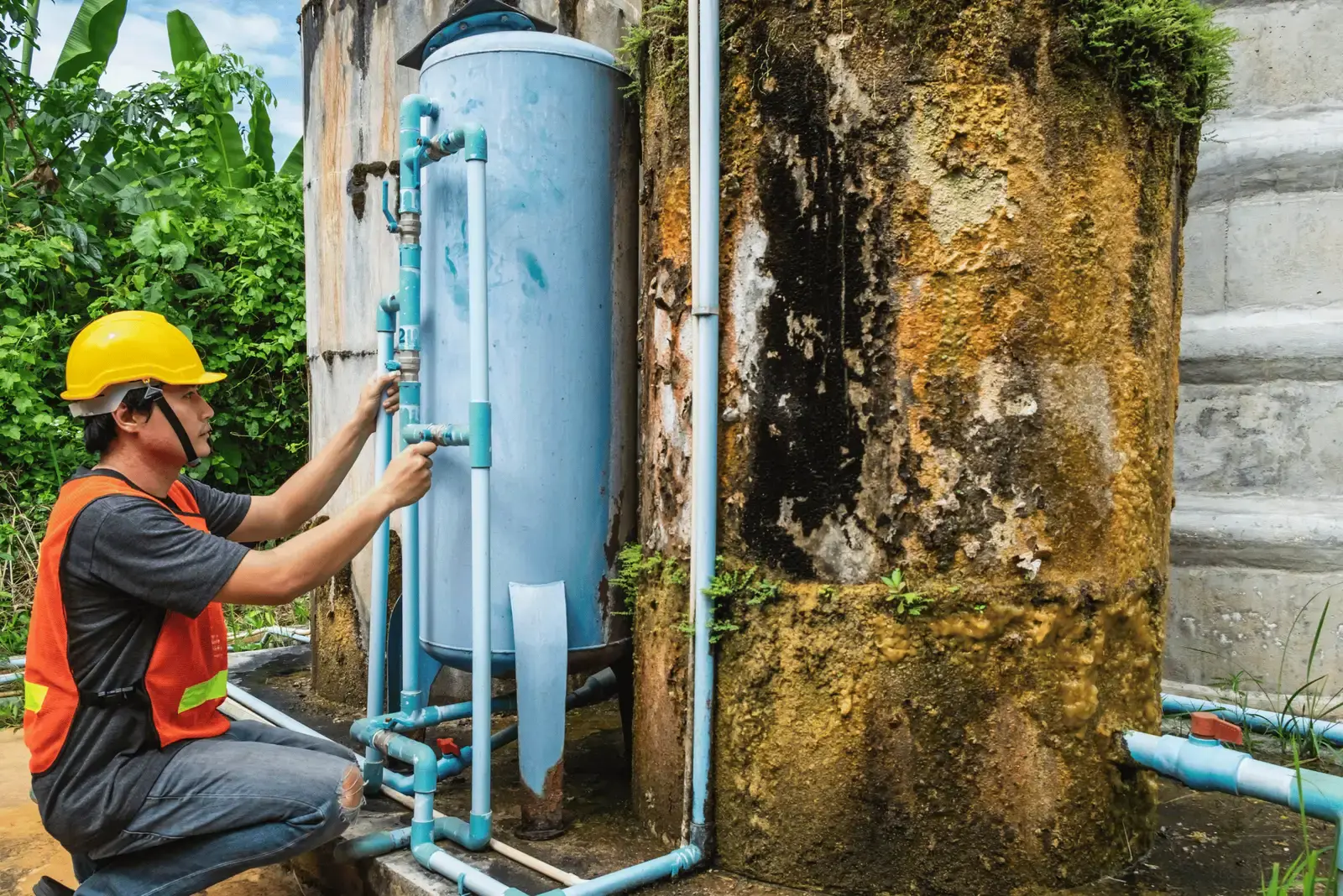
Does homeowners insurance cover water heater damage? Usually yes, if the failure was sudden and accidental, like a tank that bursts without warning. Most standard homeowners policies cover water damage from a water heater when the incident is sudden and accidental. Usually no, if the damage was gradual, the result of a slow leak, corrosion, or skipped maintenance. If a water heater fails or leaks due to age and the gradual deterioration of its components, that is typically not covered. Openly, Nationwide
The catch is that you don't get to decide which category your failure falls into. Your insurer does. And the thing that tips their decision one way or the other is usually documentation: proof of the unit's age, proof it was maintained, and proof the failure was abrupt rather than a slow problem you let go.
This post explains the distinction that decides these claims, why so many get denied, and what to keep on file so a future failure is a covered loss instead of a five-figure surprise.
Why the water heater is the appliance most worth understanding
Your water heater is easy to forget. It sits in a basement or a closet, does its job silently, and gets no attention until the day there's water on the floor.
That quiet is exactly the problem. A traditional tank water heater lasts 8 to 12 years on average, and when one fails, it often fails into a leak or a burst, sending dozens of gallons across whatever is nearby. It's also one of the cheaper appliances to replace, which creates a dangerous mismatch: a modest piece of equipment capable of causing major water damage. Rheem
That mismatch is why the insurance question matters so much for this one appliance in particular. The cost of the water heater itself is rarely the issue. The cost of what it ruins on the way out is.
Does homeowners insurance cover water heater leaks?
In general, yes, when the leak is sudden and accidental. Homeowners insurance typically covers water damage that is sudden and accidental, such as when a water heater or faulty appliance breaks and the damage isn't due to negligence. Nationwide
One important limit applies even when you're covered: the policy generally pays for the resulting water damage, not for the appliance itself. Your policy usually does not pay for the cost to repair or replace the water heater. So a covered claim might cover your floors, drywall, and belongings, but you'll likely buy the new water heater yourself. GEICO
What "sudden and accidental" actually means
This is the phrase the entire claim turns on. Insurers sort water damage into two buckets:
Sudden and accidental. An abrupt, unexpected failure. Sudden damage occurs abruptly, such as when a pipe bursts or an appliance breaks, and this is the kind that's typically covered. Nationwide
Gradual. Slow leakage, seepage, or deterioration over time. Insurers generally treat slow leaks and chronic seepage as a maintenance issue, and these claims are routinely denied. Texas Dept. of Insurance
The hard part for homeowners is that a water heater can fail in ways that look gradual after the fact, even when the damage felt sudden to you. If a hot water tank is old and corroded and a gradual deterioration causes the leak, it may not be covered. If there's any evidence the unit had been weeping or rusting for a while, the insurer can place it in the gradual bucket, and the burden falls on you to show otherwise. Openly
Why water heater claims get denied
Even when a failure feels like an accident, claims get denied for a few predictable reasons. Knowing them in advance is how you avoid them.
Wear and tear. Normal aging and gradual deterioration of components is a standard exclusion. An old unit that simply wore out is the insurer's easiest denial. Insurance Information Institute
Lack of maintenance. This is the big one. If sediment buildup, missed inspections, or failure to replace worn components leads to failure, insurers may deny claims for both the water heater and the resulting damage. Insurers expect homeowners to maintain their appliances. Insurance Information Institute
Pre-existing problems you didn't act on. If a water heater had a known issue like a slow leak that wasn't addressed and it later caused larger damage, the insurer can argue the damage wasn't sudden and deny the claim. Texas Dept. of Insurance
Insufficient documentation. Claims are frequently denied due to lack of maintenance, failure to mitigate, or insufficient documentation. Even a legitimate sudden failure can be hard to prove without records. Texas Dept. of Insurance
The pattern across all four is the same: the homeowner who can document a maintained, monitored unit that failed abruptly is in a far stronger position than one who can't.
The maintenance that protects both the appliance and the claim
Here's the part most homeowners miss. The same upkeep that keeps a water heater alive longer is also the evidence that protects your insurance claim if it fails anyway. Two jobs, one set of records.
The two tasks that matter most:
Flush the tank once a year. Removing sediment buildup improves efficiency and extends tank life. Sediment is a leading cause of premature failure. Rheem
Replace the anode rod every few years. This sacrificial rod corrodes so the tank doesn't. Once it's depleted, the tank itself starts to rust, and most units need it replaced roughly every 3 to 5 years. Service Champions
The payoff is real on both fronts. Regularly replacing the anode rod can extend a water heater's life by close to 10 years, turning a typical 8-to-12-year unit into one that lasts 15 to 20. And every documented flush and rod replacement is proof, if you ever need it, that the failure wasn't the slow neglect insurers look for when they want to deny a claim. Bob Vila
One more detail worth knowing: some manufacturers require anode rod replacement at specific intervals to keep the warranty valid. So the same maintenance record can protect your manufacturer warranty, too. Service Champions
What to keep on file before anything goes wrong
If your water heater fails tomorrow, the adjuster's questions will be about age, maintenance, and how the failure happened. The time to have those answers is now, not in the panic of a flooded floor.
Keep these, somewhere you can reach them even if your home isn't accessible:
The install date and the unit's age. The original receipt or proof of purchase. The model and serial number from the rating plate. A record of every flush, anode rod replacement, and professional inspection, with dates. Any photos showing the unit's condition over time.
Together, these establish the two things a claim depends on: that the unit was maintained, and that the failure was sudden rather than the end of a long, ignored decline.
How HouseFacts helps
This is exactly the kind of record HouseFacts is built to keep. Snap a photo of the rating plate on your water heater and HouseFacts fills in the model, serial number, and manufacture date for you, then tracks the unit against its expected lifespan and flags any active recalls. You add your flush and service dates as you go, and the maintenance history builds itself.
The result is that the record deciding your claim is already complete before you need it. When the adjuster asks how old the unit is and when it was last serviced, the answer is in your pocket, not lost in a basement next to the appliance that just failed.
DISCLAIMER: This article is for general informational purposes only and is not insurance advice. Coverage for water heater failure and resulting water damage varies significantly by policy, insurer, and state. The sudden-versus-gradual principle described here is a general industry standard, not a guarantee of how any specific claim will be handled. Always review your own policy and speak with your insurance provider to understand your coverage.
SOURCES
[1] Openly. "Does Home Insurance Cover Water Heaters?" November 2025. https://openly.com/the-open-door/articles/does-home-insurance-cover-water-heaters
[2] Nationwide. "Home Insurance & Water Damage: What's Covered?" https://www.nationwide.com/lc/resources/home/articles/does-homeowners-insurance-cover-water-damage
[3] GEICO. "Does Homeowners Insurance Cover Plumbing?" https://www.geico.com/information/aboutinsurance/homeowners/does-homeowners-insurance-cover-plumbing/
[4] Insurance Information Institute. "Which Disasters Are Covered by Homeowners Insurance?" https://www.iii.org/article/which-disasters-are-covered-by-homeowners-insurance
[5] Texas Department of Insurance. "Water Damage and Mold." https://www.tdi.texas.gov/tips/mold-coverage.html
[6] J&RS. "Does Homeowners Insurance Cover Water Heater Damage?" September 2025. https://jrsduluth.com/homeowners-insurance-cover-water-heater-damage-what-duluth-homeowners-need-know-duluth-mn/
[7] Rheem. "Water Heater Lifespan: When to Repair vs. Replace." March 2026. https://www.rheem.com/water-heating/articles/water-heater-lifespan-when-to-repair-vs-replace/
[8] Bob Vila. "Anode Rod Replacement: Extend the Life of Your Water Heater." https://www.bobvila.com/articles/anode-rod-replacement/
[9] Service Champions. "How to Inspect and Replace a Sacrificial Anode Rod." August 2024. https://www.servicechampions.net/blog/inspect-replace-anode-rod
Keep reading
 appliancesseasonal
The Things That Live Outside: A Guide to Outdoor Appliance Safety
Keep your grill, generator, and outdoor appliances safe year-round. Practical tips on fuel, electrical safety, and off-season storage for homeowners.
 maintenance
Repair or Replace? The Appliance Age Guide Every Homeowner Needs Before Calling a Technician
Before you spend $400 on a repair call, spend two minutes with this guide. Knowing your appliance's age, and the Rule of 50%, could save you thousands.
 maintenance
HVAC Maintenance Checklist: What to Log at Every Service Visit
An HVAC maintenance checklist built for record-keeping: the date, tech, parts, and cost to log at every visit so it holds up for a warranty or insurance claim.