How to Check Appliance Recalls in About 10 Minutes
 Elizabeth KiselevJuly 14, 20268 min read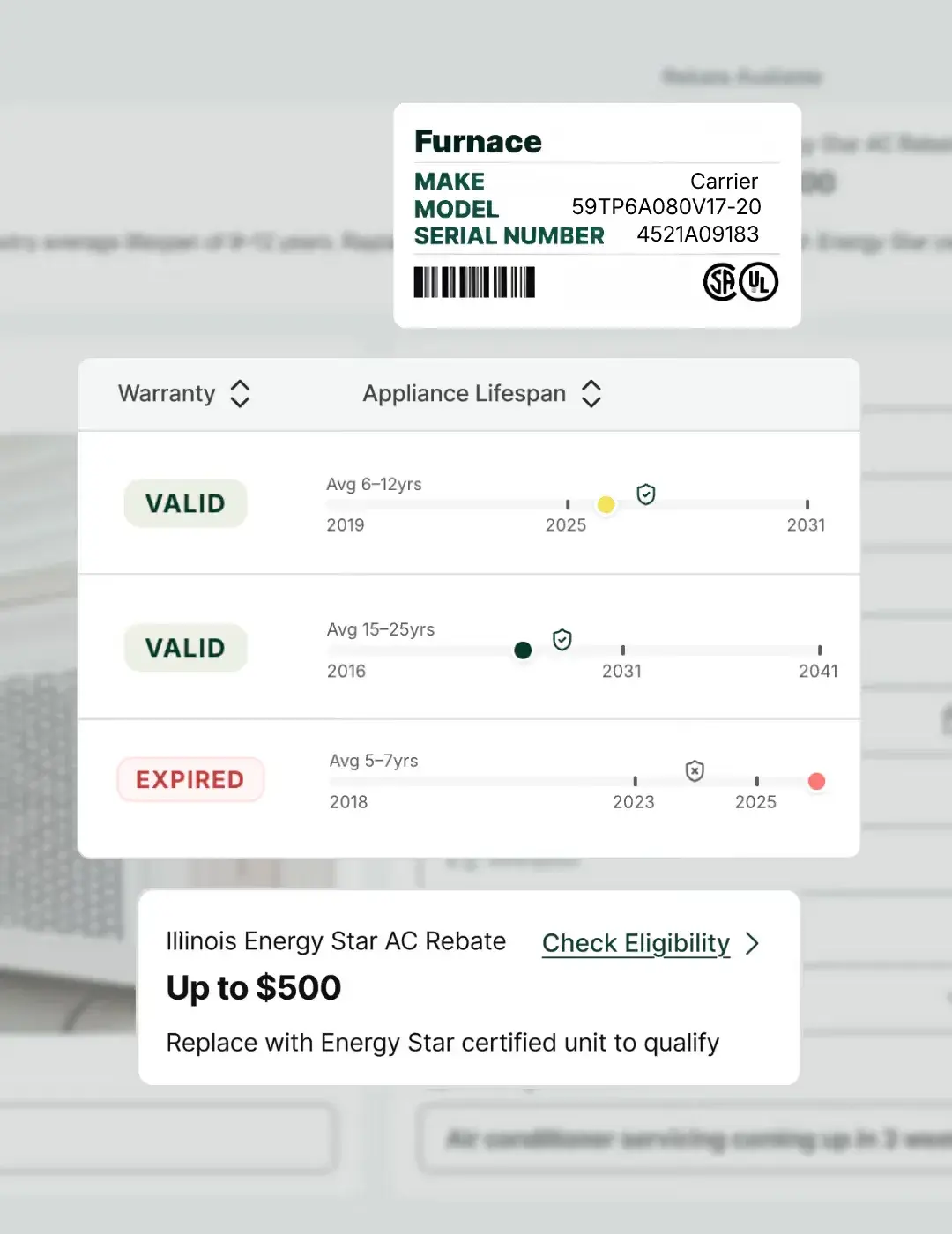
A recall check on your appliances is free, takes about ten minutes per appliance, and if it turns up a match, the manufacturer's fix is almost always free too: a repair, a replacement, or a refund. That's a rare trade in home ownership, ten minutes against a real fire, shock, or injury hazard, with no cost on either side.
A recalled appliance that's still in use isn't sitting in a landfill somewhere. It's still running the dry cycle, still keeping the milk cold, still heating the house, in a kitchen or basement or laundry room where the owner has no idea a manufacturer flagged it as a fire, shock, or injury hazard.
This isn't because homeowners are careless. It's because the recall system was built on an assumption that stopped being true decades ago: that the manufacturer knows how to reach you. Most of the time, it doesn't. The recall notice goes out, a few thousand registered owners get a letter, and everyone else finds out never.
Here's how recalls actually work, why the notice never reached you, and how to run an appliance recall check on everything you own.
How Appliance Recalls Actually Work
In the United States, most appliance recalls run through the Consumer Product Safety Commission (CPSC), the federal agency that oversees the safety of consumer products. When a pattern of failures emerges (a dishwasher heating element that can ignite, a dryer that overheats, a range that tips), the manufacturer and the CPSC announce a recall together. The announcement names the affected models, describes the hazard, and, critically, lists the serial number ranges involved.
That last part matters more than most people realize. Recalls rarely cover an entire product line. They cover specific units built in specific factories during specific date ranges. Two identical-looking refrigerators can sit side by side in two kitchens, and only one of them is recalled. The serial number is what tells you which one you have.
When a recall is announced, the manufacturer has to offer a remedy. It's almost always one of three things:
- Free repair. A technician comes to your home and replaces the faulty component. This is the most common remedy for large appliances, since nobody wants to ship a refrigerator back.
- Replacement. The manufacturer swaps the unit for a new or comparable one.
- Refund. You get money back, sometimes the full purchase price, sometimes a prorated amount based on the appliance's age.
Every one of these remedies is free to you. That's the part of the system that works well. The part that doesn't work is what comes before it: finding out.
Why You Never Heard About the Recall
Think about the last major appliance you bought. Somewhere in the box was a product registration card, the little postcard asking for your name, address, and date of purchase. Did you mail it? Almost nobody does. Industry registration rates for home appliances are famously low, which means when a manufacturer needs to notify owners of a hazard, it has addresses for only a small fraction of them.
The rest of the notification effort is a press release, a page on the manufacturer's website, and a listing on cpsc.gov. All public, all findable, and all invisible unless you happen to go looking on the right week.
Then there's the secondhand problem. If you bought your home with appliances included, the manufacturer has no thread connecting those machines to you at all. The previous owner might have registered them; you didn't. The same goes for anything bought used, inherited, or included with a rental you later purchased. Recalled appliances follow the machine, but recall notices follow the original buyer.
The result is exactly what the numbers show: recalled appliances keep running in kitchens for years after the announcement, and the owners are the last to know.
How to Check for Recalls Manually
You don't need any special tools to run a recall check. You need two things: your appliances' model and serial numbers, and about an hour.
Step 1: Find the sticker on each appliance
Every major appliance carries a rating plate or sticker with its model number and serial number. Where it hides depends on the appliance:
- Refrigerator: inside the fresh food compartment, usually on the side wall or the ceiling, or along the door frame.
- Dishwasher: on the inside edge of the door or the door frame, visible when the door is open.
- Washer: inside the lid rim (top loaders) or inside the door frame (front loaders), sometimes on the back panel.
- Dryer: inside the door frame or on the back.
- Range or oven: along the frame behind the storage drawer, under the cooktop lip, or inside the oven door frame.
- Microwave: inside the door frame or on the back.
- Water heater: on a large label on the side of the tank.
- Furnace and HVAC: on a panel inside the access door of the air handler, and on the exterior of the outdoor condenser unit.
Take a clear photo of each sticker as you go. You'll want those numbers again, and some of these stickers are in places you won't enjoy revisiting. If an appliance is new, this is exactly why the day you buy it is the best day to photograph the label: the sticker is easy to reach exactly once.
Don't forget the machines outside. Grills, outdoor refrigerators, pool heaters, and patio equipment get recalled too, and they're even less likely to be registered. Our guide to outdoor appliance safety covers what to watch for out there.
Step 2: Search cpsc.gov
The CPSC keeps a public, searchable database of every recall it has announced, going back decades. Go to cpsc.gov and use the recall search. Search by brand first (say, the brand of your dryer), then skim the results for your product type. Each recall listing includes the affected model numbers and, where relevant, serial number ranges and date-of-manufacture windows.
Match carefully. Model numbers can differ by a single character between the recalled unit and a safe one, so compare digit by digit against your photo of the sticker.
Step 3: Check the manufacturer's site
Most major appliance brands maintain their own recall or safety pages, and many offer a lookup where you enter a model or serial number and get an immediate yes or no. This is the most precise check available, because it checks serial ranges for you. Search the brand name plus "recall" and use the official domain, not a third-party site.
Step 4: Repeat, forever
Here's the honest catch: a recall check is a snapshot. Your dishwasher can be recalled next March, and the check you ran today won't help. To stay covered manually, you'd need to recheck every appliance a few times a year, which is exactly the kind of recurring chore that gets done once, enthusiastically, and never again.
What to Do if Something You Own Is Recalled
If you get a match, don't panic, and don't feel pressure to haul the appliance to the curb. Do this instead:
- Stop using it if the hazard is active. The recall notice tells you. Fire and shock hazards usually mean unplug it now; a tip-over hazard on a range might mean install the included bracket and carry on until the repair.
- Contact the manufacturer through the recall notice. Every notice includes a dedicated phone number or web form. Have your model number, serial number, and (if you have it) proof of purchase ready.
- Take the remedy, even if the appliance seems fine. "It's been running for years without a problem" is exactly what everyone says right up until the failure. The repair is free and the hazard is real.
- Keep the paperwork. The recall repair record matters later: it affects warranty conversations, insurance claims, and resale. A documented "recalled and remedied" is a strength; an undisclosed recall is a liability. If the manufacturer emails you a confirmation, forwarding it to HouseFacts files it in your home's record.
One more note: a recall is not by itself a reason to replace the appliance. A recalled 3-year-old washer with a free repair has plenty of life left. If the recalled unit is also near the end of its expected lifespan, that's a different conversation, and our repair-or-replace appliance age guide walks through how to make that call by age and cost.
The Easier Way: Let the Check Run Itself
Everything above works. The problem is that it only works if you keep doing it, and the recall system's entire failure mode is that nobody keeps doing it.
This is the problem Appliance Intelligence was built for. When you snap a photo of an appliance's label in HouseFacts, the model and serial number are read from the sticker and matched against the manufacturer's records. Serial number decoding covers >70 brands, which means your appliance's true age and manufacture date come from the serial itself, not from a guess.
From that one photo, each appliance gets a living record: estimated remaining lifespan, warranty tracking once you add the receipt or coverage details, and, most importantly here, recall monitoring. HouseFacts watches recall announcements against your specific models and serial numbers and alerts you when one of your appliances is affected. Not a generic "GE announced a recall" headline. Your dryer, your serial number, this recall, here's the remedy.
The manual check you'd have to remember to repeat becomes something that simply happens. You find out about the next recall the week it's announced, instead of never.
Ten Minutes, Once
If you do nothing else after reading this, do the one-time version: walk your home, photograph every appliance sticker, and run each model through cpsc.gov and the manufacturer's lookup. Search by serial number, not just model number: recalls run on specific serial ranges, so two identical-looking units can differ, and a model lookup alone won't settle it. Most checks come back clean, and that's still a good afternoon's work. The asymmetry is the whole argument either way: ten minutes spent checking against a hazard that, if it exists, gets fixed for free. That makes this the cheapest safety upgrade available, whether or not this round turns anything up.
And if you'd rather do the ten minutes once and let the watching happen on its own, that's exactly what those label photos are for.
Keep reading
 appliancesmaintenance
Your Water Heater Might Fail. Whether Insurance Pays for the Damage Comes Down to a Few Words in Your Policy.
Does homeowners insurance cover water heater leaks? Usually yes if the failure is sudden, no if it's gradual. Here's how to protect your claim before it happens.
 appliancesseasonal
The Things That Live Outside: A Guide to Outdoor Appliance Safety
Keep your grill, generator, and outdoor appliances safe year-round. Practical tips on fuel, electrical safety, and off-season storage for homeowners.
 maintenance
Repair or Replace? The Appliance Age Guide Every Homeowner Needs Before Calling a Technician
Before you spend $400 on a repair call, spend two minutes with this guide. Knowing your appliance's age, and the Rule of 50%, could save you thousands.