Second Home Document Organization for Absentee Homeowners
 Elizabeth KiselevJune 30, 20266 min read
Owning more than one home sounds like a dream, be it a beach retreat for summer, a city condo for work, or a mountain cabin for ski weekends. In 2023, the U.S. had about 5.7 million second homes, highlighting that many are juggling double the responsibilities (Eye On Housing). From bills and maintenance to security and seasonal prep, it’s easy for things to slip through the cracks without a solid system. The good news? With the right approach, you can stay organized, avoid costly mistakes, and enjoy the best of both homes without constantly playing catch-up.
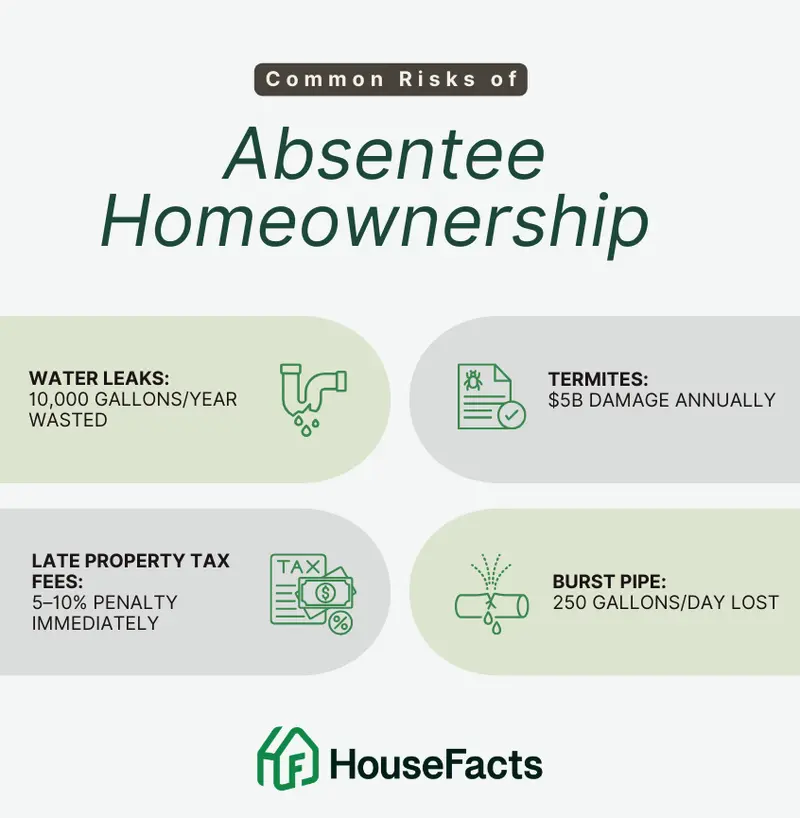
The Challenges of Managing Two Homes
Living between two properties can be rewarding, but it also comes with unique hurdles that many owners underestimate.
- Duplicate Expenses: Each home comes with its own set of recurring costs: mortgage, property taxes, utilities, insurance, landscaping, cleaning services, and subscriptions. These can add up fast. Double that for two homes, and small leaks in your budget can become just as dangerous as leaks in the roof.
- Maintenance Blind Spots: When one property sits vacant, even small issues can snowball. A slow water leak can waste 10,000 gallons annually (EPA) and cause thousands in structural damage if unnoticed. Pest infestations can also escalate, termites alone cost U.S. homeowners about $5 billion annually in damage (hightechtermite).
- Seasonal Transitions: Switching from one home to another isn’t as simple as locking the door. Vacant homes require winterization, mail forwarding, security checks, and utility adjustments. In colder regions, frozen pipes are a major risk; a burst pipe can release 250 gallons of water per day (Maine.gov).
- Document Overload: Every property doubles the paperwork: warranties, receipts, appliance manuals, inspection reports, insurance renewals, and tax records. This not only clutters your files but can cost you financially if something slips through the cracks.
Without a structured system, managing two homes can feel less like a luxury and more like a second job.
Where Your Second-Home Paperwork Lives
A second home does not just double your bills, it doubles your records. Every closing packet, deed, title policy, insurance declaration, property-tax bill, appliance receipt, warranty, and service log now exists twice, once per address. When those two piles blur together, the cost is not clutter. It is the year you cannot prove which furnace you replaced or which policy covered the storm damage.
Good second-home document organization comes down to two habits: keep one home binder per property, and file each record the day it arrives so it lands under the right address.
- Ownership and closing documents. Your deed, title insurance, and closing paperwork you will wish you kept are the foundation for both homes. Store a copy for each, so a question about one property never sends you digging through the other.
- Money records that pay off every year. Property taxes, insurance declarations, and every improvement receipt feed your budget, your claims, and your cost basis. These records earn their keep every year you own the home. If you ever sell, a clean record of your finances is the bonus, not the reason to keep them.
- Appliance and repair history. Each home has its own furnace, water heater, and roof. With Appliance Intelligence, a serial number decodes to the manufacture date, expected lifespan, and any active recalls, and the service logs stay attached to the appliance so each property keeps its own history.
Because everything is filed by property, Smart Forwarding lets you send a bill or receipt by email and have it land under the right home.
Tips for Staying Organized Between Two Homes
1. Create a Centralized Record System
Keep all important documents, from utility bills and mortgage statements to repair receipts, in one digital hub. A home management tool like HouseFacts lets you upload files, categorize by property, and search instantly when you need proof of a repair or expense. It's built for exactly this kind of at-a-distance ownership, and you can even forward bills and receipts by email so they file themselves under the right property.
2. Use Checklists for Each Move
Every time you leave one property, run through a set checklist. A few examples include:
- Adjust thermostat and HVAC settings
- Shut off unnecessary utilities (water, gas, appliances)
- Secure doors, windows, and mail
- Empty trash and perishable food
- Turn off or unplug electronics to avoid phantom energy use or surges
- Set light timers or smart lighting so the home looks occupied
- Notify a trusted contact (neighbor, property manager, or relative) of your departure
Having a repeatable routine ensures nothing gets missed during the transition. For a more comprehensive guide, download our Home Departure Checklist that covers utilities, plumbing, safety, and exterior maintenance. Or, if you’re preparing for colder months, check out our Winterization Checklist for seasonal, cold-weather tasks.
3. Automate What You Can
- Set up auto-pay for utilities and insurance so deadlines are never missed.
- Use smart home devices (like leak sensors, cameras, thermostats, and smoke/CO detectors) to monitor properties remotely.
- Schedule recurring maintenance reminders for seasonal tasks (HVAC filter changes, gutter cleanings, roof inspections).
- Automate mail forwarding or a virtual mailbox service so important documents don’t pile up unnoticed.
- Enable automatic delivery for essentials (filters, water softener salt, pest control supplies) to each property on a set schedule.
- Use a centralized property management tool (like HouseFacts) to track expenses, store service records, and send alerts across multiple homes.
If you're coordinating maintenance visits, guest stays, or family check-ins across more than one address, a shared calendar built for multiple properties keeps everyone working off the same schedule.
4. Separate Budgets for Each Home
Treat each property like its own “project.” Keep track of:
- Annual taxes and insurance
- Utilities and subscription services
- Repairs and capital improvements
This makes it easier to evaluate total costs, and may simplify tax prep if you rent out one home.
5. Share Access With Trusted People
Whether it’s a family member, neighbor, or property manager, ensure someone local has the ability to step in. Sharing access to your maintenance logs or service contacts makes it easier for them to handle issues on your behalf.
Seasonal Considerations
- Winterizing a Vacation Home: Drain pipes, clean gutters, and set up security measures before leaving.
- Opening a Summer Home: Check HVAC filters, test appliances, and inspect for pest damage before you settle in.
- Holiday Travel Between Homes: Use light timers, forward mail, and alert your security system provider when you’ll be away.
By treating each move as a seasonal handoff, you reduce surprises and make transitions smoother.
Final Notes
Living between two homes doesn’t have to feel overwhelming. With clear checklists, digital organization, and a few smart automations, you can keep both properties safe, efficient, and ready whenever you arrive.
Tools like HouseFacts make it simple to track maintenance, store receipts, and set reminders across multiple homes, giving you peace of mind that nothing slips through the cracks.
Ready to simplify life between two properties? Start building your digital home binder today and enjoy both homes without the stress of double the paperwork.
Keep reading
 appliancesmaintenance
Your Water Heater Might Fail. Whether Insurance Pays for the Damage Comes Down to a Few Words in Your Policy.
Does homeowners insurance cover water heater leaks? Usually yes if the failure is sudden, no if it's gradual. Here's how to protect your claim before it happens.
 maintenance
What Homebuyers Notice in Your Yard (Before They Even Walk Inside)
Selling your home? Buyers judge your yard in seconds, and it can cost you thousands. Here's what they notice and the low-cost fixes that can protect your price.
 appliancesseasonal
The Things That Live Outside: A Guide to Outdoor Appliance Safety
Keep your grill, generator, and outdoor appliances safe year-round. Practical tips on fuel, electrical safety, and off-season storage for homeowners.